Our Three Step Process
July 13, 2026
A complete guide to crafting a high-converting win back email
Our Three Step Process
July 13, 2026
A complete guide to crafting a high-converting win back email
Craft a high-converting win back email with expert strategies for segmentation, compelling copy, and effective campaign testing.
Key Takeaways
Designing an effective re-engagement strategy requires precision and a focus on long-term retention. By understanding your audience's behavior, you can create targeted campaigns that successfully restore dormant relationships.
Define clear engagement thresholds for your specific brand audience.
Utilize behavioral data to segment lists accurately for personalization.
Craft copy that prioritizes emotional connection over generic promotions.
Implement visual hierarchies that guide the reader toward a specific action.
Maintain list health through automated suppression of permanently inactive subscribers.
Understanding the purpose of a win back email
A win back email serves as a critical strategic touchpoint, designed to bridge the gap between lapsed activity and renewed interest. For many brands, customers simply drift away due to inbox fatigue rather than a lack of brand affinity. Eledia builds custom email marketing systems that focus on reactivating these specific segments, turning dormant entries back into active revenue streams through data-backed communication.
Defining re-engagement goals
Success in re-engagement starts by establishing what you want to achieve beyond just a simple opening. Whether you aim to drive a repeat purchase or verify current interest, your goals dictate the structure of the campaign. By clearly defining these markers, you ensure that every interaction serves the broader objective of sustainable backend profit.
Benefits of reactivating dormant customers
Returning customers usually demonstrate higher lifetime value because they are already familiar with your value proposition. Replacing them through new acquisition is often a drain on resources; staying connected to your existing base is far more efficient. This focus on retention is a core tenet of how Eledia improves business outcomes through precise email strategies.
Identifying the right segment for intervention
Identifying the perfect moment to intervene involves looking at behavioral decay patterns. You must determine the exact point where a subscriber transitions from an active fan to a dormant lead. This precision prevents wasted effort and allows your brand to focus solely on high-potential leads who simply need the right prompt to return.
Segmenting your inactive subscriber list for better targeting

Segmenting your outreach is the difference between a nuisance in the inbox and a welcome return. When you treat inactive subscribers as a monolith, you risk missing the specific "why" behind their silence. Successful campaigns rely on nuanced segmentation to deliver relevant, timely messages that resonate with unique user histories.
Differentiating between non-responders and unengaged users
It is vital to distinguish between someone who periodically ignores emails and someone who has completely abandoned your ecosystem. Non-responders might still be interested but currently busy, while others may have moved on entirely. Tailoring your messaging requires a winback campaign approach that acknowledges these separate behaviors rather than grouping them into a single list.
Using purchase history to tailor specific offers
Purchase history allows you to create highly curated experiences that reflect what the customer once found valuable. The following table illustrates how to map history to specific, targeted recovery strategies:
Subscriber Category | Purchase History | Strategy Approach |
|---|---|---|
Lapsed Occasional | Low frequency | Gentle loyalty refresh |
High-Value Lapsed | High revenue total | Exclusive high-value discount |
Recent Inactive | First-time purchase | Brand value reminder |
By matching the offer to the customer's previous engagement level, you avoid generic discounts that dilute your brand and instead offer something that feels personally relevant.
Avoiding mass-email mistakes with inactive contacts
Mass emailing dormant subscribers is a frequent error that harms deliverability and brand standing. When you blast the entire list without regard for engagement, email providers often flag your domain, damaging your long-term reputation. Instead, iterate on your contact base to ensure your messages reach intended recipients every time.
Drafting compelling copy for your win back campaign
Great copy is a creative endeavor, not a template-filling exercise. Eledia believes in creating art in every email, ensuring that the tone remains elevated while the intent remains direct. This creative approach ensures that when a subscriber finally sees your message, the voice aligns with the quality they expect from your brand.
Writing subject lines that demand to be opened
Subject lines are the gatekeepers of your communication. If they fail to catch attention, the content inside remains unseen. Strong subject lines often create a sense of intrigue without resorting to cheap, worn-out tactics.
Using emotional triggers and personalized language
Humanizing your brand through empathetic language fosters trust. When you address the absence directly without being accusatory, you create a space for the subscriber to feel valued rather than hounded. This keeps the customer relationship feeling genuine and sustainable for both sides of the transaction.
Clearly stating the value proposition
Your value proposition must be front and center in any re-engagement attempt. Remind the reader exactly why they signed up, utilizing a clear list for maximum scannability within your body copy:
Recap the unique benefits they previously experienced.
Highlight any updates or improvements made to your products.
Offer a low-friction action to verify their continued interest.
By providing these straightforward paths, you simplify the decision-making process for the receiver.
Maintaining brand voice while being direct
Confidence in tone should never be sacrificed for clarity. Being direct about wanting their business back does not mean you have to abandon the personality that makes your brand stand out in a crowded marketplace.
Designing visual elements to grab attention
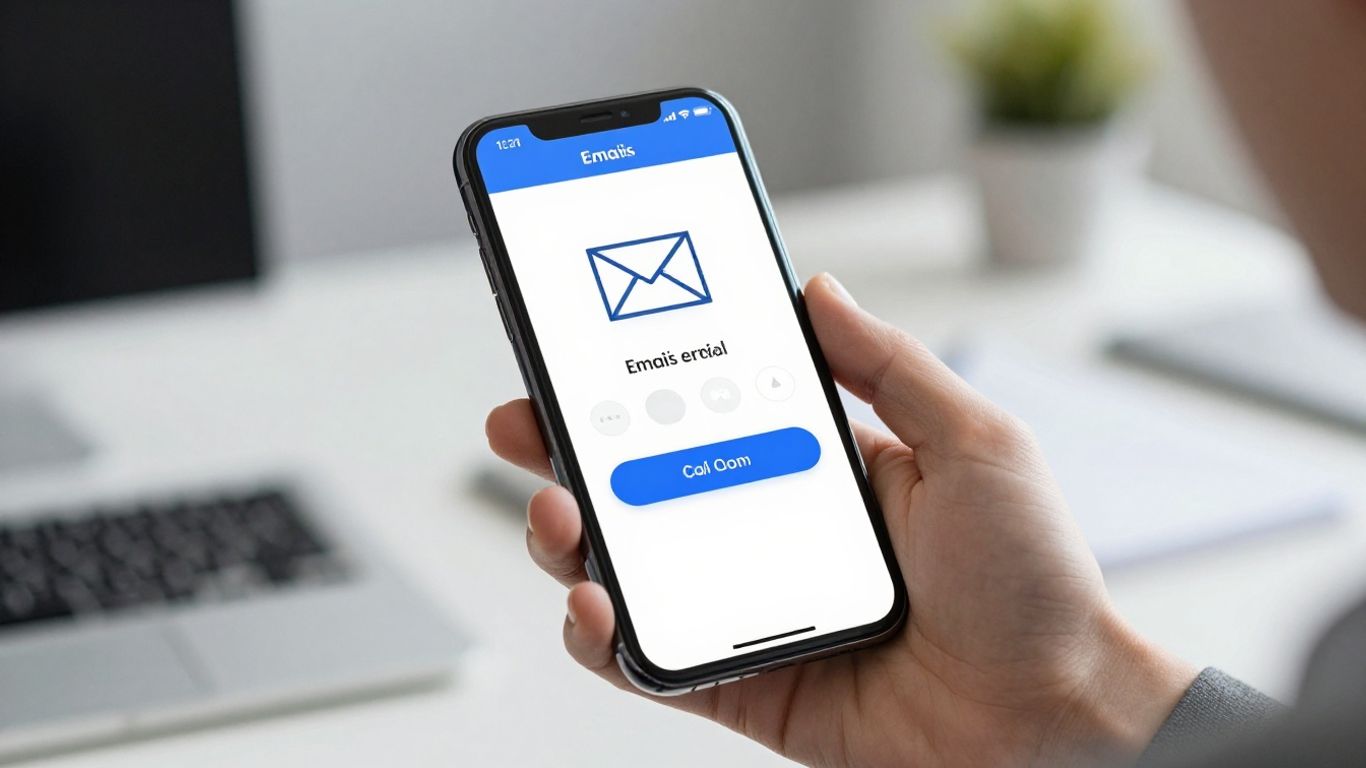
Visual design should serve the core message, acting as a beacon rather than a distraction. Your creative templates should reflect the aesthetic standards of your products, ensuring there is no disconnect between your website experience and your inbox communication.
Choosing imagery that aligns with brand identity
Every piece of imagery must visually confirm your identity at the first glance. Consistency is the anchor of recognition, keeping your brand relevant even when the recipient's attention is fragmented between dozens of other inbox notifications.
Implementing clear and bold calls to action
Your call to action must be obvious and singular. If the reader has to hunt for the button, the opportunity for conversion is likely lost. Design these elements to stand out, using whitespace effectively to draw the eye downward through your narrative.
Utilizing minimalist layouts for mobile optimization
Most inbox activity now happens on mobile devices, necessitating a clean and responsive layout strategy. Minimalist designs translate better to smaller screens, preventing the content from becoming cluttered or overwhelming for the viewer on the go.
Incorporating social proof to build trust
Social proof, such as user reviews or community milestones, serves as a powerful validation of your brand. Integrating these elements helps the dormant subscriber feel like they are missing out on an active, thriving community.
Optimizing timing and frequency of your re-engagement efforts
Finding the right rhythm for your emails prevents the damage of oversending while maximizing visibility when it matters most. Timing is often the secret ingredient to turning stale lists into active, profitable assets.
Establishing the ideal lapse threshold for your brand
Not every industry shares the same definition of dormancy. Determine the threshold where your specific audience typically churns, rather than following generic industry assumptions that may not fit your specific product cycle or sales funnel.
Staging your emails as a multi-part series
A single email is rarely enough to change behavior. Use a series instead to build a narrative arc that moves from a friendly check-in to a more direct offer, providing space for the customer to take action before you officially remove them from the list.
Testing the impact of send times on response rates
The impact of timing can be significant, especially across different time zones or user habits. Regular testing allows you to optimize, helping you push notifications when your specific customers are most likely to interact with their inboxes.
Measuring the success of your win back initiatives
Measuring results is essential for refining your strategy over time. You need to look beyond vanity metrics and understand how these campaigns influence real business health, leveraging email campaign metrics to drive future decisions.
Tracking key metrics like open and click-through rates
Open rates and click-through rates provide the immediate pulse on how effective your subject lines and content are performing. Monitoring these allows you to iterate on your copy, ensuring your creative approach remains effective even as the market shifts.
Analyzing revenue attribution from re-engaged users
Revenue attribution is the ultimate judge of success for any win back strategy. Without accurate tracking, you cannot know which segments are truly profitable. It is critical to follow the path from the initial re-engagement link to the final conversion, ensuring you get a complete view of campaign performance.
Evaluating the cost of customer retention versus acquisition
The economic strength of a brand is often defined by its ability to hold onto customers who have already shown an inclination toward its offerings.
By comparing the cost of managing your retention efforts against the expense of traditional acquisition, you can prove the value of your win back work to stakeholders and decision-makers.
Best practices for cleaning your email list after a win back campaign
Cleaning the list is an act of maintenance that keeps your marketing operation running at high capacity. It protects your domain and ensures that your data stays clean, keeping your future efforts focused only on those with potential for engagement.
Knowing when to stop emailing inactive subscribers
There comes a point when a lead is no longer a lead. Defining this limit prevents unnecessary effort and protects your overall sender reputation from negative signals.
Automating the suppression of unengaged contacts
Automation is the most effective way to manage list hygiene. By setting rules to suppress users who fail to react to your win back series, you keep your lists high-quality and free of clutter, allowing for better reporting accuracy.
Protecting your sender reputation and deliverability
Deliverability is the backbone of your email strategy. By pruning unresponsive contacts, you ensure that your emails continue to land in the primary inbox, maintaining your direct connection to the customers who truly matter to your business.
Conclusion
Crafting a high-converting win back email is an ongoing process of testing, creative refinement, and data analysis. By treating your dormant subscribers with care and intention, you can successfully rekindle interest and boost your overall revenue through a more engaged, loyal customer base. Focus on quality, stay consistent with your voice, and use the metrics available to guide your next move.
Frequently Asked Questions
How often should I send win back emails?
Sending frequency depends on your brand's natural purchase cycle; however, a standard cadence usually involves a short series sent over a few weeks, followed by a long-term pause to maintain list hygiene.
What is a good open rate for a win back campaign?
Open rates vary by industry, but performance typically lags behind standard newsletters since these subscribers have been inactive. Aim for steady improvement against your own historical baseline rather than external benchmarks.
Should I always include a discount?
Not necessarily, as consistent discounting can train subscribers to wait for sales, which hurts margins. Sometimes, sharing new product updates or a personal "we value you" message is enough to prompt engagement.
How long should an inactive subscriber be ignored before reaching out?
It is better to reach out before they fully drift away. Once a subscriber misses their typical engagement interval, they are often ready for a gentle push back into the product narrative.
Do win back emails count as spam?
They are not spam if you have explicit consent to contact the user. However, if you keep emailing people who haven't engaged in years, your emails can be marked as spam, which risks your entire domain reputation.
Can I automate my entire win back strategy?
Yes, most modern email platforms and custom systems allow for automated triggers based on set inactivity thresholds, ensuring your re-engagement emails go out at the moment they are most needed.
What is the most effective component in a win back email?
The subject line is usually the most critical component because it determines if the content is even seen by the recipient. A compelling, intrigue-filled subject line provides the best chance of getting an existing lead back into the fold.
Craft a high-converting win back email with expert strategies for segmentation, compelling copy, and effective campaign testing.
Key Takeaways
Designing an effective re-engagement strategy requires precision and a focus on long-term retention. By understanding your audience's behavior, you can create targeted campaigns that successfully restore dormant relationships.
Define clear engagement thresholds for your specific brand audience.
Utilize behavioral data to segment lists accurately for personalization.
Craft copy that prioritizes emotional connection over generic promotions.
Implement visual hierarchies that guide the reader toward a specific action.
Maintain list health through automated suppression of permanently inactive subscribers.
Understanding the purpose of a win back email
A win back email serves as a critical strategic touchpoint, designed to bridge the gap between lapsed activity and renewed interest. For many brands, customers simply drift away due to inbox fatigue rather than a lack of brand affinity. Eledia builds custom email marketing systems that focus on reactivating these specific segments, turning dormant entries back into active revenue streams through data-backed communication.
Defining re-engagement goals
Success in re-engagement starts by establishing what you want to achieve beyond just a simple opening. Whether you aim to drive a repeat purchase or verify current interest, your goals dictate the structure of the campaign. By clearly defining these markers, you ensure that every interaction serves the broader objective of sustainable backend profit.
Benefits of reactivating dormant customers
Returning customers usually demonstrate higher lifetime value because they are already familiar with your value proposition. Replacing them through new acquisition is often a drain on resources; staying connected to your existing base is far more efficient. This focus on retention is a core tenet of how Eledia improves business outcomes through precise email strategies.
Identifying the right segment for intervention
Identifying the perfect moment to intervene involves looking at behavioral decay patterns. You must determine the exact point where a subscriber transitions from an active fan to a dormant lead. This precision prevents wasted effort and allows your brand to focus solely on high-potential leads who simply need the right prompt to return.
Segmenting your inactive subscriber list for better targeting
Segmenting your outreach is the difference between a nuisance in the inbox and a welcome return. When you treat inactive subscribers as a monolith, you risk missing the specific "why" behind their silence. Successful campaigns rely on nuanced segmentation to deliver relevant, timely messages that resonate with unique user histories.
Differentiating between non-responders and unengaged users
It is vital to distinguish between someone who periodically ignores emails and someone who has completely abandoned your ecosystem. Non-responders might still be interested but currently busy, while others may have moved on entirely. Tailoring your messaging requires a winback campaign approach that acknowledges these separate behaviors rather than grouping them into a single list.
Using purchase history to tailor specific offers
Purchase history allows you to create highly curated experiences that reflect what the customer once found valuable. The following table illustrates how to map history to specific, targeted recovery strategies:
Subscriber Category | Purchase History | Strategy Approach |
|---|---|---|
Lapsed Occasional | Low frequency | Gentle loyalty refresh |
High-Value Lapsed | High revenue total | Exclusive high-value discount |
Recent Inactive | First-time purchase | Brand value reminder |
By matching the offer to the customer's previous engagement level, you avoid generic discounts that dilute your brand and instead offer something that feels personally relevant.
Avoiding mass-email mistakes with inactive contacts
Mass emailing dormant subscribers is a frequent error that harms deliverability and brand standing. When you blast the entire list without regard for engagement, email providers often flag your domain, damaging your long-term reputation. Instead, iterate on your contact base to ensure your messages reach intended recipients every time.
Drafting compelling copy for your win back campaign
Great copy is a creative endeavor, not a template-filling exercise. Eledia believes in creating art in every email, ensuring that the tone remains elevated while the intent remains direct. This creative approach ensures that when a subscriber finally sees your message, the voice aligns with the quality they expect from your brand.
Writing subject lines that demand to be opened
Subject lines are the gatekeepers of your communication. If they fail to catch attention, the content inside remains unseen. Strong subject lines often create a sense of intrigue without resorting to cheap, worn-out tactics.
Using emotional triggers and personalized language
Humanizing your brand through empathetic language fosters trust. When you address the absence directly without being accusatory, you create a space for the subscriber to feel valued rather than hounded. This keeps the customer relationship feeling genuine and sustainable for both sides of the transaction.
Clearly stating the value proposition
Your value proposition must be front and center in any re-engagement attempt. Remind the reader exactly why they signed up, utilizing a clear list for maximum scannability within your body copy:
Recap the unique benefits they previously experienced.
Highlight any updates or improvements made to your products.
Offer a low-friction action to verify their continued interest.
By providing these straightforward paths, you simplify the decision-making process for the receiver.
Maintaining brand voice while being direct
Confidence in tone should never be sacrificed for clarity. Being direct about wanting their business back does not mean you have to abandon the personality that makes your brand stand out in a crowded marketplace.
Designing visual elements to grab attention
Visual design should serve the core message, acting as a beacon rather than a distraction. Your creative templates should reflect the aesthetic standards of your products, ensuring there is no disconnect between your website experience and your inbox communication.
Choosing imagery that aligns with brand identity
Every piece of imagery must visually confirm your identity at the first glance. Consistency is the anchor of recognition, keeping your brand relevant even when the recipient's attention is fragmented between dozens of other inbox notifications.
Implementing clear and bold calls to action
Your call to action must be obvious and singular. If the reader has to hunt for the button, the opportunity for conversion is likely lost. Design these elements to stand out, using whitespace effectively to draw the eye downward through your narrative.
Utilizing minimalist layouts for mobile optimization
Most inbox activity now happens on mobile devices, necessitating a clean and responsive layout strategy. Minimalist designs translate better to smaller screens, preventing the content from becoming cluttered or overwhelming for the viewer on the go.
Incorporating social proof to build trust
Social proof, such as user reviews or community milestones, serves as a powerful validation of your brand. Integrating these elements helps the dormant subscriber feel like they are missing out on an active, thriving community.
Optimizing timing and frequency of your re-engagement efforts
Finding the right rhythm for your emails prevents the damage of oversending while maximizing visibility when it matters most. Timing is often the secret ingredient to turning stale lists into active, profitable assets.
Establishing the ideal lapse threshold for your brand
Not every industry shares the same definition of dormancy. Determine the threshold where your specific audience typically churns, rather than following generic industry assumptions that may not fit your specific product cycle or sales funnel.
Staging your emails as a multi-part series
A single email is rarely enough to change behavior. Use a series instead to build a narrative arc that moves from a friendly check-in to a more direct offer, providing space for the customer to take action before you officially remove them from the list.
Testing the impact of send times on response rates
The impact of timing can be significant, especially across different time zones or user habits. Regular testing allows you to optimize, helping you push notifications when your specific customers are most likely to interact with their inboxes.
Measuring the success of your win back initiatives
Measuring results is essential for refining your strategy over time. You need to look beyond vanity metrics and understand how these campaigns influence real business health, leveraging email campaign metrics to drive future decisions.
Tracking key metrics like open and click-through rates
Open rates and click-through rates provide the immediate pulse on how effective your subject lines and content are performing. Monitoring these allows you to iterate on your copy, ensuring your creative approach remains effective even as the market shifts.
Analyzing revenue attribution from re-engaged users
Revenue attribution is the ultimate judge of success for any win back strategy. Without accurate tracking, you cannot know which segments are truly profitable. It is critical to follow the path from the initial re-engagement link to the final conversion, ensuring you get a complete view of campaign performance.
Evaluating the cost of customer retention versus acquisition
The economic strength of a brand is often defined by its ability to hold onto customers who have already shown an inclination toward its offerings.
By comparing the cost of managing your retention efforts against the expense of traditional acquisition, you can prove the value of your win back work to stakeholders and decision-makers.
Best practices for cleaning your email list after a win back campaign
Cleaning the list is an act of maintenance that keeps your marketing operation running at high capacity. It protects your domain and ensures that your data stays clean, keeping your future efforts focused only on those with potential for engagement.
Knowing when to stop emailing inactive subscribers
There comes a point when a lead is no longer a lead. Defining this limit prevents unnecessary effort and protects your overall sender reputation from negative signals.
Automating the suppression of unengaged contacts
Automation is the most effective way to manage list hygiene. By setting rules to suppress users who fail to react to your win back series, you keep your lists high-quality and free of clutter, allowing for better reporting accuracy.
Protecting your sender reputation and deliverability
Deliverability is the backbone of your email strategy. By pruning unresponsive contacts, you ensure that your emails continue to land in the primary inbox, maintaining your direct connection to the customers who truly matter to your business.
Conclusion
Crafting a high-converting win back email is an ongoing process of testing, creative refinement, and data analysis. By treating your dormant subscribers with care and intention, you can successfully rekindle interest and boost your overall revenue through a more engaged, loyal customer base. Focus on quality, stay consistent with your voice, and use the metrics available to guide your next move.
Frequently Asked Questions
How often should I send win back emails?
Sending frequency depends on your brand's natural purchase cycle; however, a standard cadence usually involves a short series sent over a few weeks, followed by a long-term pause to maintain list hygiene.
What is a good open rate for a win back campaign?
Open rates vary by industry, but performance typically lags behind standard newsletters since these subscribers have been inactive. Aim for steady improvement against your own historical baseline rather than external benchmarks.
Should I always include a discount?
Not necessarily, as consistent discounting can train subscribers to wait for sales, which hurts margins. Sometimes, sharing new product updates or a personal "we value you" message is enough to prompt engagement.
How long should an inactive subscriber be ignored before reaching out?
It is better to reach out before they fully drift away. Once a subscriber misses their typical engagement interval, they are often ready for a gentle push back into the product narrative.
Do win back emails count as spam?
They are not spam if you have explicit consent to contact the user. However, if you keep emailing people who haven't engaged in years, your emails can be marked as spam, which risks your entire domain reputation.
Can I automate my entire win back strategy?
Yes, most modern email platforms and custom systems allow for automated triggers based on set inactivity thresholds, ensuring your re-engagement emails go out at the moment they are most needed.
What is the most effective component in a win back email?
The subject line is usually the most critical component because it determines if the content is even seen by the recipient. A compelling, intrigue-filled subject line provides the best chance of getting an existing lead back into the fold.
Other Blogs
Other Blogs
Check our other project Blogs with useful insight and information for your businesses


Other Blogs
Other Blogs
Check our other project Blogs with useful insight and information for your businesses