
Our Three Step Process
July 13, 2026
A complete guide to setting up and optimizing Klaviyo email flows
Our Three Step Process
July 13, 2026
A complete guide to setting up and optimizing Klaviyo email flows
Learn how to optimize klaviyo email flows with our professional guide, covering segmentation, testing, and revenue growth tips.
Key Takeaways
Mastering automated triggers enables timely communication without manual effort.
Segmenting audiences with precision significantly increases conversion rates.
Data-driven iteration is essential for long-term flow performance.
Implementing core flows like welcome and post-purchase sequences builds lasting customer loyalty.
Consistent testing allows brands to refine messaging and optimize revenue.
Foundations of Klaviyo email flows
At Eledia, we believe that effective automation is the heartbeat of any successful e-commerce strategy. Building a robust system requires a clear understanding of how data flows between your store and your marketing platform to ensure every customer touchpoint feels intentional. By establishing a solid technical base, you ensure that every automation functions as an extension of your brand identity.
Understanding flow triggers and filters
Flow triggers act as the initiating signal for your email series, responding instantly to specific customer behaviors like joining a newsletter or initiating a checkout. These triggers ensure that your messaging reaches subscribers when their interest is at its peak. By integrating automated customer journeys, you transform simple events into conversational opportunities that guide users toward their next purchase.
Mapping the customer journey
Mapping your customer journey involves anticipating the needs of your audience before, during, and after they engage with your products. You must identify exactly where a shopper might hesitate and place helpful, relevant content at those specific junctures. This thoughtful planning helps in crafting a personalized communication strategy that feels natural rather than invasive, ensuring your brand stays present without becoming a nuisance.
Setting flow priority and back-population
When you manage multiple automations, setting priorities is critical to preventing subscriber overlap, where a single user receives multiple conflicting messages. Back-population allows you to pull existing customers into a new flow, ensuring no one misses out on your latest communication strategy. We recommend the following steps for successful flow management:
Define the primary objective for each automated series to prevent objective collisions.
Use filters to ensure that existing customers are not repeatedly nudged by introductory sequences.
Establish a standard naming convention for internal organization and reporting fluidity.
Audit your priority settings quarterly to reflect current business goals and seasonal promotions.
Once these structural rules are in place, your automation architecture becomes significantly more resilient against operational drift.
Core flows every ecommerce brand needs
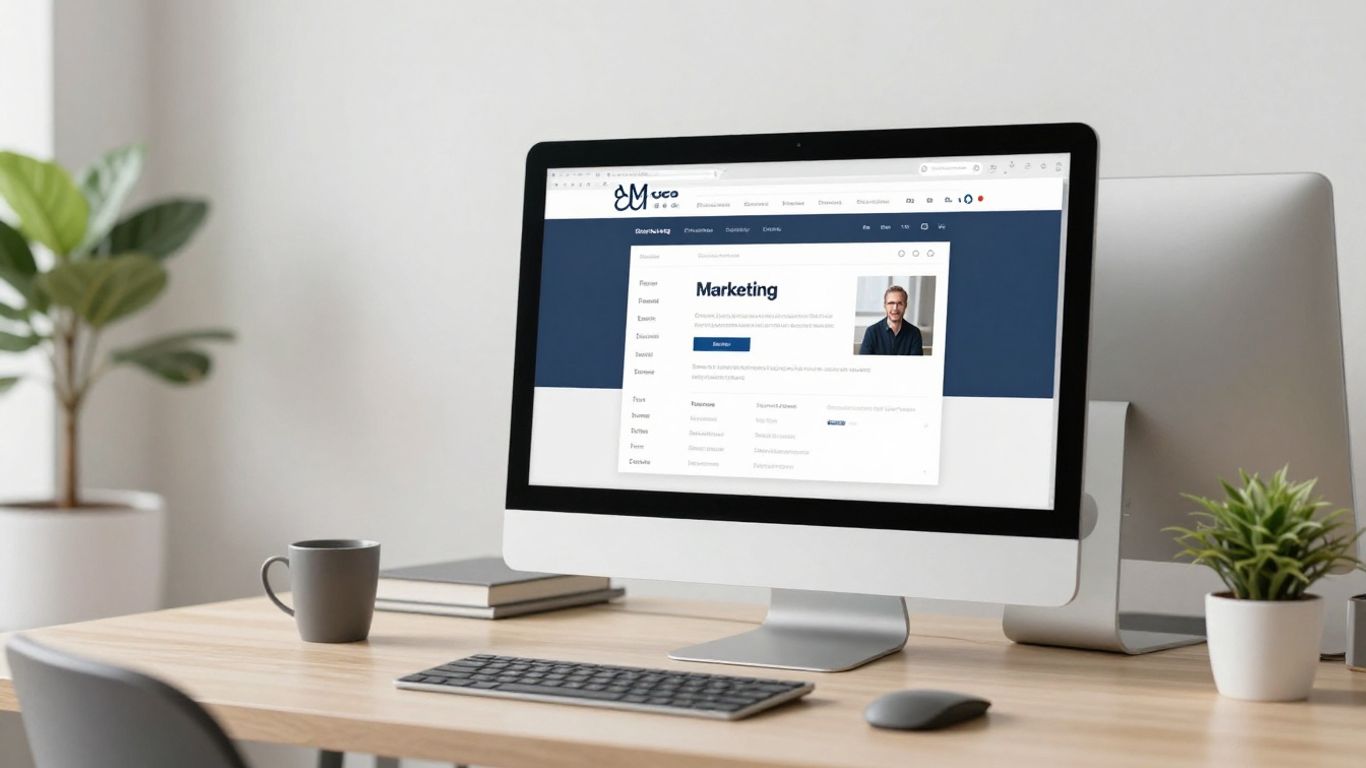
Every high-performing store relies on a set of foundational automations to capture and nurture leads effectively. These flows operate continuously, allowing your brand to drive revenue even while your team rests. By focusing on critical milestones, you can create a consistent narrative that encourages repeat engagement and fosters deep brand loyalty.
The welcome series for new subscribers
Your welcome series serves as a crucial first impression, introducing new subscribers to your brand values and product offerings. Instead of just delivering an incentive, use this space to build connection and trust by highlighting your unique selling propositions early. As part of a data-driven messaging approach, this series must be clear, persuasive, and aligned with the look and feel of your website.
Recovering revenue with browse and cart abandonment
Browse and cart abandonment flows are your most direct path to recovering lost sales and increasing your average order value. These messages should be subtle reminders that arrive exactly when the shopper needs a final nudge to complete their transaction. By utilizing specific product data, you can remind them of exactly what they were looking at, bringing the focus back to their shopping experience.
Engaging customers with post-purchase sequences
Post-purchase sequences convert one-time buyers into loyal advocates by providing value long after the initial transaction. We create art in every email to ensure that thank-yous, product care guides, and cross-sell recommendations feel like part of a curated experience. Consider the following engagement impacts for different types of post-purchase messaging:
Message Type | Primary Goal | Expected Outcome |
|---|---|---|
Thank You | Brand Affinity | High Open Rate |
Care Guide | Customer Satisfaction | Reduced Support Tickets |
Up-sell | Revenue Growth | Higher Lifetime Value |
By systematically planning these interactions, your brand develops a sophisticated ecosystem that anticipates customer needs before they are ever expressed.
Advanced segmentation strategies
Implementing advanced segmentation turns broad campaigns into highly targeted interactions that resonate with specific user interests. By diving deeper into your data, you can separate your most loyal customers from those who only shop during sales events. This layer of detail ensures that your communication remains relevant and valued by everyone on your list.
Personalizing content based on user behavior
Personalization requires more than just placeholders, as it demands an authentic understanding of how your visitors navigate your site. When you use behavioral tags to influence content, you create an environment where the customer feels seen and appreciated. This is a powerful email automation technique that consistently drives higher engagement across all segments.
Using predicted churn and lifetime value metrics
Predicted metrics allow you to be proactive rather than reactive, identifying loyal customers who might be at risk of drifting away. By triggering specific retention automations for these segments, you can stabilize your database and maintain long-term profit margins. Taking action based on these predictive signals is often what separates an average store from a thriving market leader.
Excluding specific lists to prevent message fatigue
Excluding certain groups might seem counterintuitive, but it is one of the most effective ways to preserve long-term deliverability and list health. When you respect your users' space by limiting messaging frequency for disinterested segments, you improve the quality of your overall brand perception. This disciplined approach ensures that your primary messages are actually read by those who value them most.
Design and content best practices
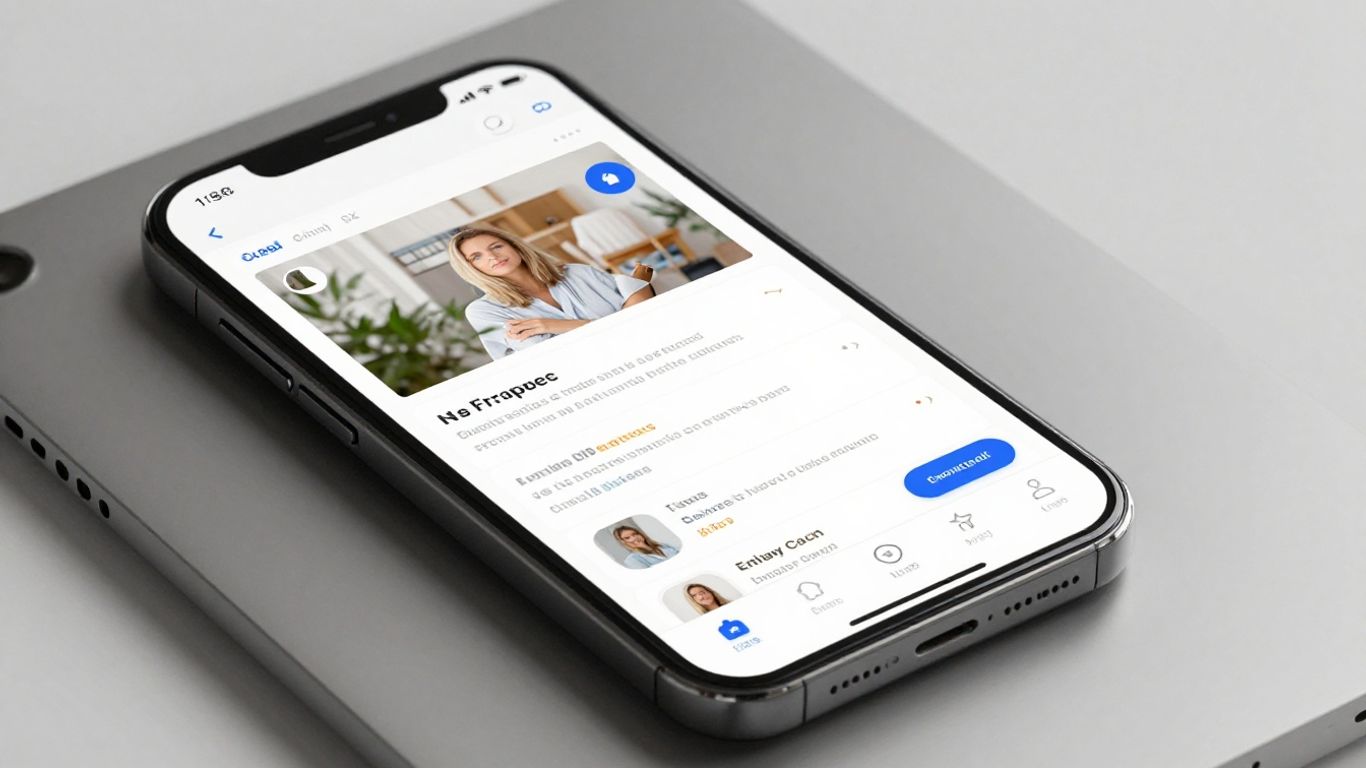
Visual design and compelling copy must work in tandem to convey your brand's unique message effectively. If your design feels disjointed, your conversion rates will inevitably suffer, regardless of how well your segments are defined or how timely your triggers are. We prioritize a clean, professional aesthetic that makes the core value of your brand immediately visible to the mobile shopper.
Creating mobile-responsive email layouts
With most people scrolling through their inboxes on smartphones, your designs must be natively mobile-friendly and easily navigable. A layout that breaks on a smaller screen is a lost opportunity and a negative reflection on your brand's attention to detail. Every element should be spaced thoughtfully and keep the call-to-action front and center to streamline the user experience.
Writing high-converting subject lines and previews
Your subject line is the gatekeeper of your message, and it must pique curiosity without feeling like clickbait. Previews should complement this hook by providing a concise summary of the value the reader will find inside the email. A well-crafted subject line is the difference between an ignored inbox item and a high-performance conversion, so iterate on these frequently to find what speaks to your audience.
Utilizing dynamic blocks for product recommendations
Dynamic blocks allow you to populate your emails with relevant products based on individual search history or past purchase behavior. This technology ensures that each email is a custom-made suggestion that aligns with what the customer actually wants. When you leverage reward program emails through these blocks, you can tailor your rewards to the individual, driving deeper participation and long-term retention.
Compliance and deliverability considerations
Maintaining a clean list is paramount to ensuring your hard work reaches its destination consistently over time. Compliance isn't just about avoiding penalties; it is about demonstrating respect for your subscribers and their data privacy in our increasingly crowded digital environment. When you prioritize health, you build a foundation where your automation efforts have the greatest possible reach.
Managing soft and hard bounces effectively
Soft bounces often indicate temporary issues, while hard bounces suggest permanent delivery failures that must be managed immediately. Keeping a pristine list involves identifying and removing dead email addresses that could harm your domain reputation. By staying on top of bounced emails, you protect your ability to deliver content to the users who genuinely want to receive it.
Maintaining healthy open and click-through rates
Deliverability is directly tied to your engagement metrics; if users frequently ignore your messages, your sender reputation will eventually decline. Focus on creating valuable, consistent content that encourages genuine interaction throughout your subscriber lifecycle. A healthy engagement rate is the best insurance policy against inbox filters that may otherwise penalize a less active sender.
Respecting global data privacy regulations
Adhering to global standards is a baseline requirement for any professional e-commerce brand operating across borders today. Ensure your opt-in processes are transparent and that users always have an easy way to manage their subscription preferences. By being clear and compliant, you build immense credibility with your audience, which is a vital component of long-term business growth.
Testing and optimization benchmarks
Continuous improvement is the engine that drives your revenue toward new heights after your initial flows are live. You should never consider an automation as a finished product; instead, treat it as a source of information you can use to learn more about your customers. By rigorously testing your hypotheses, you can scale what works and discard what simply doesn't move the needle for your business.
Running A/B tests on timing and messaging
Testing timing and content variations allows you to determine exactly what tone and pace works best for your target audience. You might discover that a shorter email sent four hours after cart abandonment drastically outperforms a long message sent the next day. Small changes to your cadence can have massive implications for your backend profitability if you have the patience to measure the results.
Analyzing flow performance analytics in Klaviyo
Effective analytics must go beyond basic metrics to uncover the underlying reasons for campaign results. Explore how individual segments interact with your messages and use that data to refine your future outreach. When you understand the "why" behind a high click-through rate, you can replicate that success in future configurations throughout your entire marketing eco-system.
Iterating based on conversion and revenue data
Everything in your email strategy should be measured against the final conversion metric to determine its true economic impact. We constantly monitor these performance indicators at Eledia to inform our next steps and maximize backend profit. By pivoting toward winning strategies and dropping laggards, you keep your marketing system lean, effective, and perfectly optimized for your specific brand goals.
Conclusion
Successfully implementing and scaling your automated email systems is a journey that requires both creative vision and technical precision. By building on a foundation of clean data and clear customer segmentation, your brand can develop a strategy that drives consistent revenue growth while engaging your audience in a way that respects their inbox. Stay curious, test often, and never lose sight of the unique identity that makes your brand stand out in a competitive market.
Frequently Asked Questions
What are the most important metrics to track for email automations?
The most important metrics depend on your objective, but generally, you should prioritize revenue per recipient, open rates, and click-through rates. These metrics provide a clear pulse on your engagement level and your flow's ability to drive actual business results over time.
How often should I update my automated email sequences?
You should audit your flows at least every quarter to ensure the content remains accurate and aligned with your current promotional strategy. Major seasonal changes or product launches are other natural moments to review your messaging for relevance.
Is it normal for flow engagement to vary by product category?
Yes, it is common for different products to see varied engagement rates, especially if the purchase cycle for those items is drastically different. Monitoring category-specific data can help you create more tailored branches within your flows to address those unique customer behaviors.
What causes a high rate of unsubscriptions in a flow?
High unsubscription rates usually indicate that your emails are arriving too frequently or the content no longer feels relevant to the reader's needs. Analyze your flow frequency, test alternative messaging, and ensure your segmentation isn't grouping together users with nothing in common.
Can automated emails hurt my sender reputation?
Yes, sending bulk emails to unengaged or invalid addresses will damage your sender reputation over time and decrease your overall deliverability. Maintaining a list of highly engaged subscribers is essential for ensuring your emails land in the inbox rather than the spam folder.
How can I improve my email design strategy?
Start by ensuring your design is simple, mobile-optimized, and free from excessive clutter that distracts from your main call-to-action. Focus on clarity and brand-consistent aesthetics that make your product feel like a premium purchase to the recipient.
Why does segmenting my list matter for automations?
Segmentation allows you to send the right message to the right person at the right moment, which significantly increases conversion effectiveness. Treating every subscriber as a unique individual helps you avoid generic messaging and builds a much stronger relationship with your entire audience.
Learn how to optimize klaviyo email flows with our professional guide, covering segmentation, testing, and revenue growth tips.
Key Takeaways
Mastering automated triggers enables timely communication without manual effort.
Segmenting audiences with precision significantly increases conversion rates.
Data-driven iteration is essential for long-term flow performance.
Implementing core flows like welcome and post-purchase sequences builds lasting customer loyalty.
Consistent testing allows brands to refine messaging and optimize revenue.
Foundations of Klaviyo email flows
At Eledia, we believe that effective automation is the heartbeat of any successful e-commerce strategy. Building a robust system requires a clear understanding of how data flows between your store and your marketing platform to ensure every customer touchpoint feels intentional. By establishing a solid technical base, you ensure that every automation functions as an extension of your brand identity.
Understanding flow triggers and filters
Flow triggers act as the initiating signal for your email series, responding instantly to specific customer behaviors like joining a newsletter or initiating a checkout. These triggers ensure that your messaging reaches subscribers when their interest is at its peak. By integrating automated customer journeys, you transform simple events into conversational opportunities that guide users toward their next purchase.
Mapping the customer journey
Mapping your customer journey involves anticipating the needs of your audience before, during, and after they engage with your products. You must identify exactly where a shopper might hesitate and place helpful, relevant content at those specific junctures. This thoughtful planning helps in crafting a personalized communication strategy that feels natural rather than invasive, ensuring your brand stays present without becoming a nuisance.
Setting flow priority and back-population
When you manage multiple automations, setting priorities is critical to preventing subscriber overlap, where a single user receives multiple conflicting messages. Back-population allows you to pull existing customers into a new flow, ensuring no one misses out on your latest communication strategy. We recommend the following steps for successful flow management:
Define the primary objective for each automated series to prevent objective collisions.
Use filters to ensure that existing customers are not repeatedly nudged by introductory sequences.
Establish a standard naming convention for internal organization and reporting fluidity.
Audit your priority settings quarterly to reflect current business goals and seasonal promotions.
Once these structural rules are in place, your automation architecture becomes significantly more resilient against operational drift.
Core flows every ecommerce brand needs
Every high-performing store relies on a set of foundational automations to capture and nurture leads effectively. These flows operate continuously, allowing your brand to drive revenue even while your team rests. By focusing on critical milestones, you can create a consistent narrative that encourages repeat engagement and fosters deep brand loyalty.
The welcome series for new subscribers
Your welcome series serves as a crucial first impression, introducing new subscribers to your brand values and product offerings. Instead of just delivering an incentive, use this space to build connection and trust by highlighting your unique selling propositions early. As part of a data-driven messaging approach, this series must be clear, persuasive, and aligned with the look and feel of your website.
Recovering revenue with browse and cart abandonment
Browse and cart abandonment flows are your most direct path to recovering lost sales and increasing your average order value. These messages should be subtle reminders that arrive exactly when the shopper needs a final nudge to complete their transaction. By utilizing specific product data, you can remind them of exactly what they were looking at, bringing the focus back to their shopping experience.
Engaging customers with post-purchase sequences
Post-purchase sequences convert one-time buyers into loyal advocates by providing value long after the initial transaction. We create art in every email to ensure that thank-yous, product care guides, and cross-sell recommendations feel like part of a curated experience. Consider the following engagement impacts for different types of post-purchase messaging:
Message Type | Primary Goal | Expected Outcome |
|---|---|---|
Thank You | Brand Affinity | High Open Rate |
Care Guide | Customer Satisfaction | Reduced Support Tickets |
Up-sell | Revenue Growth | Higher Lifetime Value |
By systematically planning these interactions, your brand develops a sophisticated ecosystem that anticipates customer needs before they are ever expressed.
Advanced segmentation strategies
Implementing advanced segmentation turns broad campaigns into highly targeted interactions that resonate with specific user interests. By diving deeper into your data, you can separate your most loyal customers from those who only shop during sales events. This layer of detail ensures that your communication remains relevant and valued by everyone on your list.
Personalizing content based on user behavior
Personalization requires more than just placeholders, as it demands an authentic understanding of how your visitors navigate your site. When you use behavioral tags to influence content, you create an environment where the customer feels seen and appreciated. This is a powerful email automation technique that consistently drives higher engagement across all segments.
Using predicted churn and lifetime value metrics
Predicted metrics allow you to be proactive rather than reactive, identifying loyal customers who might be at risk of drifting away. By triggering specific retention automations for these segments, you can stabilize your database and maintain long-term profit margins. Taking action based on these predictive signals is often what separates an average store from a thriving market leader.
Excluding specific lists to prevent message fatigue
Excluding certain groups might seem counterintuitive, but it is one of the most effective ways to preserve long-term deliverability and list health. When you respect your users' space by limiting messaging frequency for disinterested segments, you improve the quality of your overall brand perception. This disciplined approach ensures that your primary messages are actually read by those who value them most.
Design and content best practices
Visual design and compelling copy must work in tandem to convey your brand's unique message effectively. If your design feels disjointed, your conversion rates will inevitably suffer, regardless of how well your segments are defined or how timely your triggers are. We prioritize a clean, professional aesthetic that makes the core value of your brand immediately visible to the mobile shopper.
Creating mobile-responsive email layouts
With most people scrolling through their inboxes on smartphones, your designs must be natively mobile-friendly and easily navigable. A layout that breaks on a smaller screen is a lost opportunity and a negative reflection on your brand's attention to detail. Every element should be spaced thoughtfully and keep the call-to-action front and center to streamline the user experience.
Writing high-converting subject lines and previews
Your subject line is the gatekeeper of your message, and it must pique curiosity without feeling like clickbait. Previews should complement this hook by providing a concise summary of the value the reader will find inside the email. A well-crafted subject line is the difference between an ignored inbox item and a high-performance conversion, so iterate on these frequently to find what speaks to your audience.
Utilizing dynamic blocks for product recommendations
Dynamic blocks allow you to populate your emails with relevant products based on individual search history or past purchase behavior. This technology ensures that each email is a custom-made suggestion that aligns with what the customer actually wants. When you leverage reward program emails through these blocks, you can tailor your rewards to the individual, driving deeper participation and long-term retention.
Compliance and deliverability considerations
Maintaining a clean list is paramount to ensuring your hard work reaches its destination consistently over time. Compliance isn't just about avoiding penalties; it is about demonstrating respect for your subscribers and their data privacy in our increasingly crowded digital environment. When you prioritize health, you build a foundation where your automation efforts have the greatest possible reach.
Managing soft and hard bounces effectively
Soft bounces often indicate temporary issues, while hard bounces suggest permanent delivery failures that must be managed immediately. Keeping a pristine list involves identifying and removing dead email addresses that could harm your domain reputation. By staying on top of bounced emails, you protect your ability to deliver content to the users who genuinely want to receive it.
Maintaining healthy open and click-through rates
Deliverability is directly tied to your engagement metrics; if users frequently ignore your messages, your sender reputation will eventually decline. Focus on creating valuable, consistent content that encourages genuine interaction throughout your subscriber lifecycle. A healthy engagement rate is the best insurance policy against inbox filters that may otherwise penalize a less active sender.
Respecting global data privacy regulations
Adhering to global standards is a baseline requirement for any professional e-commerce brand operating across borders today. Ensure your opt-in processes are transparent and that users always have an easy way to manage their subscription preferences. By being clear and compliant, you build immense credibility with your audience, which is a vital component of long-term business growth.
Testing and optimization benchmarks
Continuous improvement is the engine that drives your revenue toward new heights after your initial flows are live. You should never consider an automation as a finished product; instead, treat it as a source of information you can use to learn more about your customers. By rigorously testing your hypotheses, you can scale what works and discard what simply doesn't move the needle for your business.
Running A/B tests on timing and messaging
Testing timing and content variations allows you to determine exactly what tone and pace works best for your target audience. You might discover that a shorter email sent four hours after cart abandonment drastically outperforms a long message sent the next day. Small changes to your cadence can have massive implications for your backend profitability if you have the patience to measure the results.
Analyzing flow performance analytics in Klaviyo
Effective analytics must go beyond basic metrics to uncover the underlying reasons for campaign results. Explore how individual segments interact with your messages and use that data to refine your future outreach. When you understand the "why" behind a high click-through rate, you can replicate that success in future configurations throughout your entire marketing eco-system.
Iterating based on conversion and revenue data
Everything in your email strategy should be measured against the final conversion metric to determine its true economic impact. We constantly monitor these performance indicators at Eledia to inform our next steps and maximize backend profit. By pivoting toward winning strategies and dropping laggards, you keep your marketing system lean, effective, and perfectly optimized for your specific brand goals.
Conclusion
Successfully implementing and scaling your automated email systems is a journey that requires both creative vision and technical precision. By building on a foundation of clean data and clear customer segmentation, your brand can develop a strategy that drives consistent revenue growth while engaging your audience in a way that respects their inbox. Stay curious, test often, and never lose sight of the unique identity that makes your brand stand out in a competitive market.
Frequently Asked Questions
What are the most important metrics to track for email automations?
The most important metrics depend on your objective, but generally, you should prioritize revenue per recipient, open rates, and click-through rates. These metrics provide a clear pulse on your engagement level and your flow's ability to drive actual business results over time.
How often should I update my automated email sequences?
You should audit your flows at least every quarter to ensure the content remains accurate and aligned with your current promotional strategy. Major seasonal changes or product launches are other natural moments to review your messaging for relevance.
Is it normal for flow engagement to vary by product category?
Yes, it is common for different products to see varied engagement rates, especially if the purchase cycle for those items is drastically different. Monitoring category-specific data can help you create more tailored branches within your flows to address those unique customer behaviors.
What causes a high rate of unsubscriptions in a flow?
High unsubscription rates usually indicate that your emails are arriving too frequently or the content no longer feels relevant to the reader's needs. Analyze your flow frequency, test alternative messaging, and ensure your segmentation isn't grouping together users with nothing in common.
Can automated emails hurt my sender reputation?
Yes, sending bulk emails to unengaged or invalid addresses will damage your sender reputation over time and decrease your overall deliverability. Maintaining a list of highly engaged subscribers is essential for ensuring your emails land in the inbox rather than the spam folder.
How can I improve my email design strategy?
Start by ensuring your design is simple, mobile-optimized, and free from excessive clutter that distracts from your main call-to-action. Focus on clarity and brand-consistent aesthetics that make your product feel like a premium purchase to the recipient.
Why does segmenting my list matter for automations?
Segmentation allows you to send the right message to the right person at the right moment, which significantly increases conversion effectiveness. Treating every subscriber as a unique individual helps you avoid generic messaging and builds a much stronger relationship with your entire audience.
Other Blogs
Other Blogs
Check our other project Blogs with useful insight and information for your businesses


Other Blogs
Other Blogs
Check our other project Blogs with useful insight and information for your businesses