Our Three Step Process
May 24, 2026
Unlock Your Business Growth with Smart Email Automation Strategies in 2026
Our Three Step Process
May 24, 2026
Unlock Your Business Growth with Smart Email Automation Strategies in 2026
Unlock business growth in 2026 with smart email automation strategies. Enhance relationships, drive revenue, and leverage AI for personalized campaigns.
Email automation is still a big deal for businesses in 2026. With so many people checking their inbox every day, it's one of the few ways you can reach your audience directly, without worrying about social media algorithms messing things up. But just sending out emails isnât enough anymore. People are used to getting messages that actually matter to them. If you want to see real growth, you have to use email automation in a smart wayâkeeping things personal, consistent, and useful for your customers. In this article, weâll look at how you can use email automation to help your business grow, keep your customers happy, and make more salesâall without burning out your team.
Key Takeaways
Email automation saves time and helps you follow up with leads quickly, so you donât lose out on potential customers.
Personalized, automated emails can bring old customers back and keep your current subscribers interested longer.
Smart onboarding sequences make new clients feel welcome and clear about what to expect, which cuts down on confusion and support requests.
Using AI in email automation means your messages feel more personal and relevant, which leads to more sales and better relationships.
Keeping your email list clean and focused is more important than having a huge listâregularly remove inactive subscribers to boost engagement and results.
Leveraging Email Automation for Business Growth

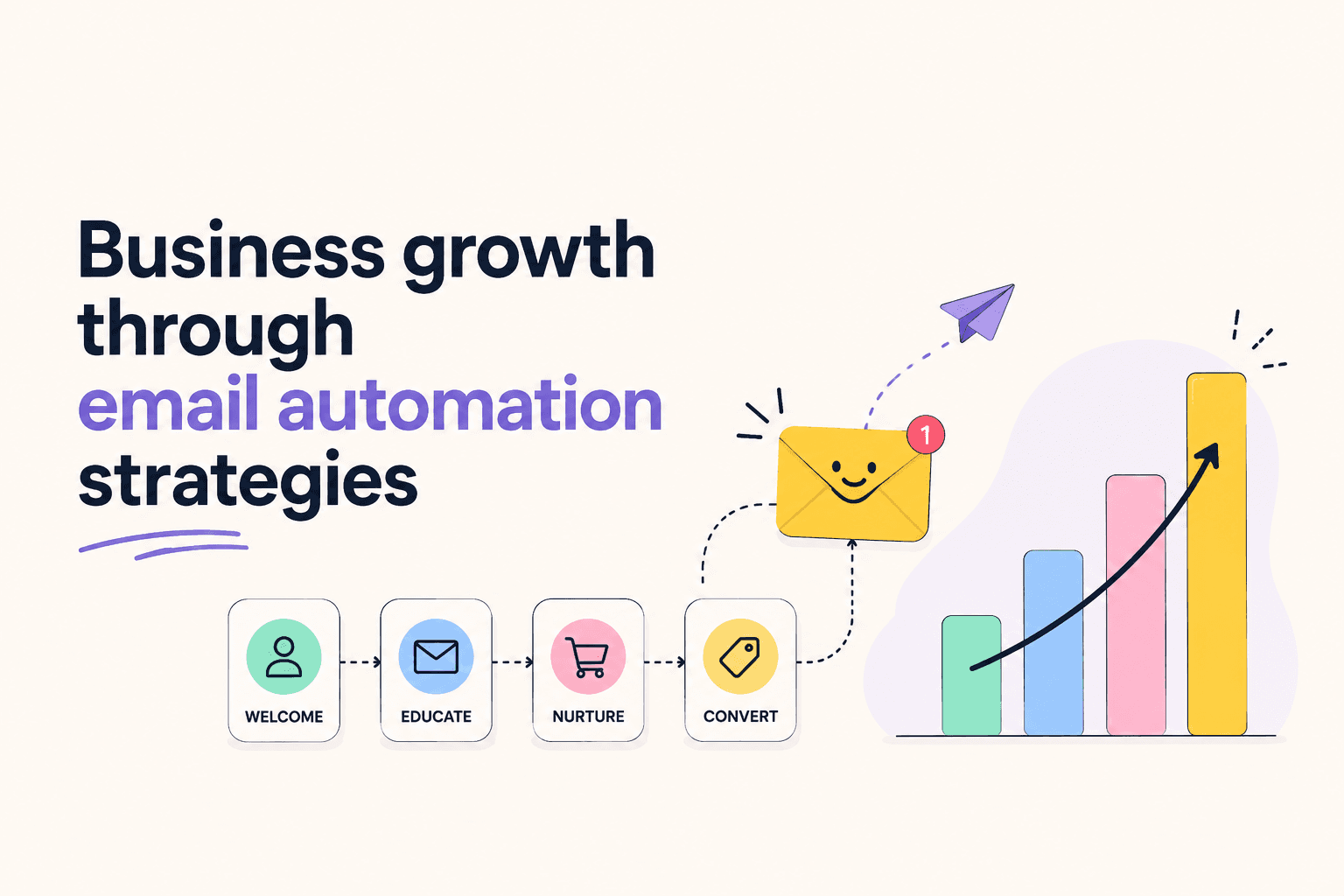
In 2026, email marketing is still a powerhouse for businesses, and automation is what makes it truly work without you having to be glued to your screen all day. Think about it: you've got a business to run, and sending out individual emails to every single person who shows interest just isn't practical. That's where automation steps in. It's not about replacing human connection; it's about making sure the right message gets to the right person at the right time, even when you're busy with other things. This means fewer leads slip through the cracks and your existing customers feel looked after. Smart automation helps you grow by being more efficient and more relevant.
Understanding the Power of Email Automation in 2026
Email automation is more than just sending out a few pre-written messages. It's about building systems that nurture relationships and drive action automatically. With billions of people checking their inboxes daily, email remains a dependable way to reach your audience. When done right, automated emails can significantly outperform one-off campaigns, leading to better engagement and more sales. It's about working smarter, not harder, to connect with your customers.
Key Benefits of Strategic Email Automation
So, what exactly does automation do for your business? For starters, it's a huge time-saver. Imagine automatically following up with new leads the moment they sign up, or sending a welcome series to new clients that sets them up for success. This keeps your brand top-of-mind and builds trust without you lifting a finger for each individual message. Plus, it's way cheaper to keep current customers happy than to find new ones, and automation helps with that too, through loyalty programs or personalized recommendations. It's a win-win for efficiency and customer satisfaction.
Here are some of the main advantages:
Extended Lead Follow-Up: Respond to inquiries instantly, provide helpful info, and build trust over time. This keeps you in the running when a lead is ready to buy.
Re-Engaging Your Audience: Bring back past customers or inactive subscribers with targeted win-back campaigns or special offers. Keeping existing customers is often more profitable than acquiring new ones.
Consistent Client Onboarding: Make a great first impression with new clients by automatically sending them the information they need to get started, reducing confusion and support requests.
Automation is a tool that amplifies your existing efforts. It ensures that your communication is consistent, timely, and relevant, which is exactly what modern customers expect. It frees up your team to focus on more complex tasks and strategic thinking, rather than getting bogged down in repetitive communication.
Overcoming Common Roadblocks to Automation
Sometimes, the idea of setting up automation can seem a bit daunting. People worry about the cost or if it will actually work. But the truth is, you don't need a massive budget to get started. Many platforms offer flexible plans that grow with your business. And the results? They speak for themselves. Studies show that automated and segmented campaigns can drive significantly more revenue than generic emails. The key is to have a plan â know why you're automating and what you want to achieve. It's about making sure your automation supports your business goals, not just adding more emails to inboxes. You can find great resources on email marketing strategies to help guide your planning.
Enhancing Customer Relationships with Automation
In today's busy world, keeping customers engaged and feeling valued is a big deal. Automation isn't about replacing human connection; it's about making sure those connections are strong and consistent, even when you're swamped. Think of it as having a super-organized assistant who never forgets to check in.
Extending Lead Follow-Up Without Additional Staff
When someone shows interest in your business, they expect a quick response. Waiting too long means they might just move on. Automated email sequences can step in right away. They acknowledge the inquiry, offer helpful information, and keep your brand in their mind over a few days. This process builds trust and makes sure potential customers don't slip through the cracks. Itâs a smart way to handle initial contact without needing more people on your team.
Immediate acknowledgment: The first email confirms their interest.
Information delivery: Provides useful content relevant to their inquiry.
Consistent contact: Keeps your business visible without constant manual effort.
Re-Engaging Your Existing Audience Effectively
Keeping customers you already have is way more cost-effective than finding new ones. Automation helps you stay connected with your current audience. You can set up campaigns to win back inactive customers, send out loyalty rewards, or share personalized product suggestions based on what they've liked before. Itâs about providing ongoing value and reminding them why they chose you in the first place. This approach helps build loyalty and encourages repeat business.
Re-engagement isn't just about selling more; it's about consistently showing your customers you care and are there for them.
Onboarding New Clients with Consistency and Clarity
That first impression with a new client is super important. A well-structured onboarding email sequence can make a huge difference. It helps new clients feel confident about their decision, shows them how to get the most out of your product or service, and can even cut down on support questions. By setting clear expectations from the start, you create a smoother experience for everyone. This automated process ensures every new client gets the same great introduction, building a strong foundation for a long-term relationship. This is a key part of modern CRM best practices.
Reinforce value: Remind them of the benefits they'll receive.
Educate and guide: Provide resources and tips for getting started.
Set expectations: Clearly outline what they can expect next.
Reduce friction: Make the initial steps as easy as possible.
Driving Revenue Through Smart Email Automation
Let's be real, making money is why we're in business, right? And when it comes to email, it's still the king of ROI. Forget chasing trends; smart automation is how you turn your email list into a consistent revenue stream. Itâs not just about sending emails; itâs about sending the right emails to the right people at the right time. This is where automation really shines, turning passive subscribers into active buyers.
Upselling and Cross-Selling Through Personalization
People expect emails to be about them these days. If you're sending the same generic message to everyone, you're leaving money on the table. Personalization, powered by automation, makes your offers feel helpful, not pushy. Itâs about understanding what someone bought or looked at and suggesting something that actually makes sense for them.
Past Purchases: If someone bought a coffee maker, suggest filters or a special coffee blend next. Itâs a no-brainer.
Website Behavior: Did they check out a specific product category a few times? Show them more items from that category or related accessories.
Engagement Level: Are they opening your emails but not clicking? Maybe they need a different kind of offer or more educational content.
The goal here is to make each customer feel like you're speaking directly to them, anticipating their needs before they even realize them. This kind of tailored approach builds loyalty and, more importantly, drives sales.
Automated Campaigns That Drive Conversions
Some emails just work, and they work best when they're automated. Think about those moments when a customer is almost ready to buy. Automation can swoop in and seal the deal.
Abandoned Cart Recovery: This is a goldmine. Someone adds items to their cart but leaves? A well-timed reminder, maybe with a small discount, can bring them back. These campaigns can seriously boost revenue compared to just sending out general newsletters.
Welcome Series: When someone first signs up, they're usually pretty interested. A series of welcome emails can introduce your brand, show off your best stuff, and offer a first-time buyer discount. It sets a positive tone right from the start.
Browse Abandonment: Similar to cart abandonment, but for people who looked at products but didn't add them to their cart. A gentle nudge can bring them back to consider their options.
Measuring Success Beyond Open Rates
Open rates are fine, but they don't tell the whole story. What really matters is what happens after they open the email. Are they clicking through? Are they buying? That's the real measure of success.
Conversion Rate: This is the big one. How many people who received the email actually completed the desired action (like making a purchase)?
Revenue Per Email: Track the actual dollar amount generated from specific campaigns or automated flows. This shows you exactly which emails are making you money.
Customer Lifetime Value (CLV): While harder to track directly from a single email, automation that nurtures relationships over time directly impacts how much a customer spends with you throughout their entire relationship with your brand. A good onboarding sequence, for example, can lead to more repeat purchases down the line.
Focusing on these metrics helps you understand what's truly driving business growth, not just vanity metrics. Itâs about making your email marketing work harder for your bottom line. Remember, email marketing continues to offer the highest ROI, and smart automation is how you maximize that advantage.
The Role of AI in Modern Email Automation
Artificial intelligence isn't just a buzzword anymore; it's becoming a standard part of how we do email marketing in 2026. Think of it as a super-smart assistant that helps make your automated emails feel less like a robot talking and more like a helpful friend. AI looks at how each person interacts with your emails and website, then figures out the best way to talk to them, one by one. It's a big step up from just sending the same message to everyone.
AI-Powered Personalization for One-to-One Communication
This is where AI really shines. Instead of just using a subscriber's first name, AI digs deeper. It looks at what they've bought, what they've clicked on, and even when they usually open emails. Based on all this, it can change the content of an email on the fly. So, one person might see a promotion for running shoes, while another sees something about hiking boots, all from the same basic email template. This kind of tailored message feels much more relevant and is way more likely to get a response. It's like having a chat with each person, even though it's all automated. This approach can lead to a 41% increase in revenue and a 13.44% boost in click-through rates.
Leveraging Behavioral Data for Smarter Emails
AI uses the information you already have about your customers â their past purchases, what they browse on your site, or if they've abandoned a cart â to make smarter decisions. It can predict what someone might be interested in next or when they're most likely to buy. This means your automated emails can be sent at just the right moment, with the right offer. For example, if someone looks at a product but doesn't buy, AI can trigger a follow-up email with more details or a small discount. It's about sending the right message to the right person at the right time, without you having to guess.
AI Tools for Enhanced Email Automation
There are many tools out there now that make using AI in your email marketing pretty straightforward. You don't need to be a tech wizard. These platforms often have drag-and-drop features that let you set up complex automated flows based on customer behavior. They can help with:
Content Creation: Generating subject lines and email copy that are more likely to grab attention.
Send Time Optimization: Figuring out the best time to send an email to each individual subscriber.
Predictive Analytics: Identifying customers who might be at risk of leaving or those most likely to make a purchase.
Dynamic Content: Automatically adjusting email content based on user data.
The goal isn't just to send more emails, but to send smarter ones that connect with people and get results. AI helps bridge the gap between mass communication and genuine, individual interaction, making your automated campaigns feel more human and effective.
Using AI in email marketing is no longer a luxury; it's becoming a necessity for staying competitive. It helps you move beyond basic automation to create truly personalized experiences at scale, which is key for building lasting customer relationships and driving sales in 2026. You can find out more about building a high-impact email marketing strategy for 2026 here.
Building a Sustainable Email Automation Strategy

The Importance of Owning Your Email List
Look, in 2026, you hear a lot about social media and how important it is. But here's the thing: you don't actually own your followers on platforms like Instagram or Facebook. They can change their algorithms, shut down accounts, or just make it harder for your content to be seen. Your email list, though? That's yours. It's a direct line to people who have actively said they want to hear from you. This direct connection is gold, and protecting it should be a top priority. Building and nurturing this list means you control the communication, not some platform.
Maintaining a Healthy and Engaged Subscriber List
Having a massive list doesn't mean much if no one's reading your emails. It's like having a huge party guest list but only a few people actually show up. We need to keep that list clean and active. This means sending emails that people actually want to open and read. If engagement starts to dip, it's time to figure out why. Maybe try a re-engagement campaign with a special offer, or ask people what they'd prefer to receive. Sometimes, just letting subscribers adjust their email frequency or the topics they get can make a big difference. Itâs all about giving them control and providing real value, not just sending emails for the sake of it.
Aligning Automation with Measurable Business Goals
It's easy to get caught up in setting up fancy automated email sequences, but if they aren't actually helping your business, what's the point? Automation should always serve a purpose. Before you even start building flows, ask yourself: What problem am I trying to solve here? What opportunity am I trying to create? How will this make things better for my customers? When your automation efforts are tied directly to clear business objectives, like increasing sales or improving customer retention, you can actually measure if it's working. This way, you're not just sending emails; you're strategically growing your business. Itâs about making sure your automation efforts are actually moving the needle for your business.
Automation without a clear strategy is just noise. It's better to have fewer, well-thought-out automated emails that support specific business goals than a flood of generic messages that don't achieve anything.
Hereâs a quick look at how to keep your list healthy:
Regularly Clean Your List: Remove inactive subscribers who haven't opened or clicked emails in a long time. This improves deliverability and engagement rates.
Offer Preference Centers: Allow subscribers to choose the types of content they receive and how often. This reduces unsubscribes and increases relevance.
Segment Your Audience: Group subscribers based on their interests, behavior, or purchase history. This allows for more targeted and effective communication.
Provide Consistent Value: Ensure every email offers something useful, whether it's information, entertainment, or a special offer. This keeps subscribers engaged and looking forward to your messages.
Implementing Effective Email Automation Tactics
Okay, so you've got the big picture of why email automation is a good idea for your business in 2026. Now, let's get down to the nitty-gritty. How do you actually make it work without sounding like a robot or, worse, annoying your subscribers? It's all about setting up the right systems and being smart about how you use them. The goal isn't just to send more emails, but to send smarter ones that connect with people.
Automating Welcome Series and Abandoned Cart Flows
These are like the low-hanging fruit of email automation, and for good reason. They work. A welcome series is your first chance to make a good impression on someone who just signed up. You want to greet them, maybe tell them a bit about what you do, and set expectations. Itâs not just a single email; think of it as a short series that guides them in.
Then there's the abandoned cart flow. This one is pure gold for online stores. Someone adds items to their cart but leaves without buying? A gentle reminder, maybe with a small nudge or a reminder of what they left behind, can often bring them back. Itâs about being helpful, not pushy.
Welcome Series: Greet new subscribers, introduce your brand, and offer initial value.
Abandoned Cart: Remind shoppers of items left behind, potentially with a small incentive.
Post-Purchase Follow-up: Thank customers, provide order details, and suggest related items.
Utilizing Segmentation for Targeted Campaigns
Sending the same email to everyone is a surefire way to get ignored. Segmentation means breaking your audience down into smaller groups based on shared characteristics or behaviors. This way, you can send messages that are actually relevant to each person.
Think about it: someone who just bought a beginner's guide probably doesn't need an email about advanced techniques right away. Segmentation lets you tailor your messages. You can group people by:
Purchase History: What have they bought before?
Website Activity: What pages have they visited? What have they clicked on?
Demographics: Location, age, interests (if you have this data).
Engagement Level: How often do they open your emails?
This kind of targeted approach makes your emails feel less like marketing blasts and more like helpful advice. Itâs a big part of why email automation is a powerful tool for retail growth.
The key is to move away from sending generic messages to everyone. Instead, focus on delivering content that speaks directly to the specific needs and interests of smaller, defined groups within your audience. This makes your communication much more effective and less likely to be dismissed.
The Power of A/B Testing in Email Automation
So, you've set up your automated flows and segmented your lists. Great! But how do you know if they're actually working as well as they could be? That's where A/B testing comes in. Itâs a simple concept: you test two versions of something to see which one performs better.
What can you test? Pretty much anything:
Subject Lines: Does "Your cart is waiting!" get more opens than "Don't forget these items"?
Call-to-Action (CTA) Buttons: Is "Shop Now" better than "View My Cart"?
Email Content: Does a shorter email get more clicks, or a longer one with more detail?
Send Times: Does sending at 9 AM perform better than 2 PM?
Even small changes can make a big difference in how people interact with your emails. Itâs about constantly learning what your audience responds to best. When you plan a successful email campaign strategy, including A/B testing from the start is a smart move. It helps you refine your messages over time, leading to better engagement and, ultimately, better results for your business.
Wrapping It Up
So, there you have it. Email marketing in 2026 is still a big deal, maybe even bigger than before. Itâs not just about sending out emails anymore; itâs about being smart with automation. Think of it like this: youâve got this direct line to your customers, and automation helps you use that line without sounding like a robot. By focusing on what actually matters â like sending the right message at the right time and making it feel personal â you can really build stronger connections and, yep, grow your business. Don't get bogged down by all the tech; just start with a clear plan and remember that even small, smart steps can make a huge difference.
Frequently Asked Questions
Is email still a good way to reach customers in 2026?
Definitely! Email is still one of the best ways to connect with customers. It brings in a lot of money for every dollar you spend, and with smart tools, it's even better at getting people to buy things and stay loyal to your brand.
What's the difference between AI personalization and regular automation?
Think of regular automation like a set schedule, while AI personalization is like a smart assistant that changes things on the fly based on what people do. AI-powered emails get way more attention and lead to more sales because they feel like they're just for that one person.
How can small businesses use email automation without a big team?
You can use easy-to-use tools like Mailchimp or HubSpot. They help you send out automatic emails, like welcome messages or reminders about things left in a shopping cart. This saves you time and helps you make more money.
Why is owning your email list so important?
When you own your email list, you're in control. Unlike social media where rules can change and limit who sees your posts, your email list is yours. This means you can always reach your customers directly, no matter what happens on other platforms.
What are some common problems people face with email automation?
Some people worry about the cost, but there are tools for every budget. Others aren't sure if it will work, but studies show automated emails make a lot more money. The biggest issue is often sending too many emails to people who aren't interested, which can hurt your results.
What's more important than just open rates for emails?
While open rates are okay, it's better to look at things like how many people actually buy something (conversion rate) or how much money each email makes (revenue per email). Also, see how many people click after opening (click-to-open rate) to know if your content is interesting.
Unlock business growth in 2026 with smart email automation strategies. Enhance relationships, drive revenue, and leverage AI for personalized campaigns.
Email automation is still a big deal for businesses in 2026. With so many people checking their inbox every day, it's one of the few ways you can reach your audience directly, without worrying about social media algorithms messing things up. But just sending out emails isnât enough anymore. People are used to getting messages that actually matter to them. If you want to see real growth, you have to use email automation in a smart wayâkeeping things personal, consistent, and useful for your customers. In this article, weâll look at how you can use email automation to help your business grow, keep your customers happy, and make more salesâall without burning out your team.
Key Takeaways
Email automation saves time and helps you follow up with leads quickly, so you donât lose out on potential customers.
Personalized, automated emails can bring old customers back and keep your current subscribers interested longer.
Smart onboarding sequences make new clients feel welcome and clear about what to expect, which cuts down on confusion and support requests.
Using AI in email automation means your messages feel more personal and relevant, which leads to more sales and better relationships.
Keeping your email list clean and focused is more important than having a huge listâregularly remove inactive subscribers to boost engagement and results.
Leveraging Email Automation for Business Growth
In 2026, email marketing is still a powerhouse for businesses, and automation is what makes it truly work without you having to be glued to your screen all day. Think about it: you've got a business to run, and sending out individual emails to every single person who shows interest just isn't practical. That's where automation steps in. It's not about replacing human connection; it's about making sure the right message gets to the right person at the right time, even when you're busy with other things. This means fewer leads slip through the cracks and your existing customers feel looked after. Smart automation helps you grow by being more efficient and more relevant.
Understanding the Power of Email Automation in 2026
Email automation is more than just sending out a few pre-written messages. It's about building systems that nurture relationships and drive action automatically. With billions of people checking their inboxes daily, email remains a dependable way to reach your audience. When done right, automated emails can significantly outperform one-off campaigns, leading to better engagement and more sales. It's about working smarter, not harder, to connect with your customers.
Key Benefits of Strategic Email Automation
So, what exactly does automation do for your business? For starters, it's a huge time-saver. Imagine automatically following up with new leads the moment they sign up, or sending a welcome series to new clients that sets them up for success. This keeps your brand top-of-mind and builds trust without you lifting a finger for each individual message. Plus, it's way cheaper to keep current customers happy than to find new ones, and automation helps with that too, through loyalty programs or personalized recommendations. It's a win-win for efficiency and customer satisfaction.
Here are some of the main advantages:
Extended Lead Follow-Up: Respond to inquiries instantly, provide helpful info, and build trust over time. This keeps you in the running when a lead is ready to buy.
Re-Engaging Your Audience: Bring back past customers or inactive subscribers with targeted win-back campaigns or special offers. Keeping existing customers is often more profitable than acquiring new ones.
Consistent Client Onboarding: Make a great first impression with new clients by automatically sending them the information they need to get started, reducing confusion and support requests.
Automation is a tool that amplifies your existing efforts. It ensures that your communication is consistent, timely, and relevant, which is exactly what modern customers expect. It frees up your team to focus on more complex tasks and strategic thinking, rather than getting bogged down in repetitive communication.
Overcoming Common Roadblocks to Automation
Sometimes, the idea of setting up automation can seem a bit daunting. People worry about the cost or if it will actually work. But the truth is, you don't need a massive budget to get started. Many platforms offer flexible plans that grow with your business. And the results? They speak for themselves. Studies show that automated and segmented campaigns can drive significantly more revenue than generic emails. The key is to have a plan â know why you're automating and what you want to achieve. It's about making sure your automation supports your business goals, not just adding more emails to inboxes. You can find great resources on email marketing strategies to help guide your planning.
Enhancing Customer Relationships with Automation
In today's busy world, keeping customers engaged and feeling valued is a big deal. Automation isn't about replacing human connection; it's about making sure those connections are strong and consistent, even when you're swamped. Think of it as having a super-organized assistant who never forgets to check in.
Extending Lead Follow-Up Without Additional Staff
When someone shows interest in your business, they expect a quick response. Waiting too long means they might just move on. Automated email sequences can step in right away. They acknowledge the inquiry, offer helpful information, and keep your brand in their mind over a few days. This process builds trust and makes sure potential customers don't slip through the cracks. Itâs a smart way to handle initial contact without needing more people on your team.
Immediate acknowledgment: The first email confirms their interest.
Information delivery: Provides useful content relevant to their inquiry.
Consistent contact: Keeps your business visible without constant manual effort.
Re-Engaging Your Existing Audience Effectively
Keeping customers you already have is way more cost-effective than finding new ones. Automation helps you stay connected with your current audience. You can set up campaigns to win back inactive customers, send out loyalty rewards, or share personalized product suggestions based on what they've liked before. Itâs about providing ongoing value and reminding them why they chose you in the first place. This approach helps build loyalty and encourages repeat business.
Re-engagement isn't just about selling more; it's about consistently showing your customers you care and are there for them.
Onboarding New Clients with Consistency and Clarity
That first impression with a new client is super important. A well-structured onboarding email sequence can make a huge difference. It helps new clients feel confident about their decision, shows them how to get the most out of your product or service, and can even cut down on support questions. By setting clear expectations from the start, you create a smoother experience for everyone. This automated process ensures every new client gets the same great introduction, building a strong foundation for a long-term relationship. This is a key part of modern CRM best practices.
Reinforce value: Remind them of the benefits they'll receive.
Educate and guide: Provide resources and tips for getting started.
Set expectations: Clearly outline what they can expect next.
Reduce friction: Make the initial steps as easy as possible.
Driving Revenue Through Smart Email Automation
Let's be real, making money is why we're in business, right? And when it comes to email, it's still the king of ROI. Forget chasing trends; smart automation is how you turn your email list into a consistent revenue stream. Itâs not just about sending emails; itâs about sending the right emails to the right people at the right time. This is where automation really shines, turning passive subscribers into active buyers.
Upselling and Cross-Selling Through Personalization
People expect emails to be about them these days. If you're sending the same generic message to everyone, you're leaving money on the table. Personalization, powered by automation, makes your offers feel helpful, not pushy. Itâs about understanding what someone bought or looked at and suggesting something that actually makes sense for them.
Past Purchases: If someone bought a coffee maker, suggest filters or a special coffee blend next. Itâs a no-brainer.
Website Behavior: Did they check out a specific product category a few times? Show them more items from that category or related accessories.
Engagement Level: Are they opening your emails but not clicking? Maybe they need a different kind of offer or more educational content.
The goal here is to make each customer feel like you're speaking directly to them, anticipating their needs before they even realize them. This kind of tailored approach builds loyalty and, more importantly, drives sales.
Automated Campaigns That Drive Conversions
Some emails just work, and they work best when they're automated. Think about those moments when a customer is almost ready to buy. Automation can swoop in and seal the deal.
Abandoned Cart Recovery: This is a goldmine. Someone adds items to their cart but leaves? A well-timed reminder, maybe with a small discount, can bring them back. These campaigns can seriously boost revenue compared to just sending out general newsletters.
Welcome Series: When someone first signs up, they're usually pretty interested. A series of welcome emails can introduce your brand, show off your best stuff, and offer a first-time buyer discount. It sets a positive tone right from the start.
Browse Abandonment: Similar to cart abandonment, but for people who looked at products but didn't add them to their cart. A gentle nudge can bring them back to consider their options.
Measuring Success Beyond Open Rates
Open rates are fine, but they don't tell the whole story. What really matters is what happens after they open the email. Are they clicking through? Are they buying? That's the real measure of success.
Conversion Rate: This is the big one. How many people who received the email actually completed the desired action (like making a purchase)?
Revenue Per Email: Track the actual dollar amount generated from specific campaigns or automated flows. This shows you exactly which emails are making you money.
Customer Lifetime Value (CLV): While harder to track directly from a single email, automation that nurtures relationships over time directly impacts how much a customer spends with you throughout their entire relationship with your brand. A good onboarding sequence, for example, can lead to more repeat purchases down the line.
Focusing on these metrics helps you understand what's truly driving business growth, not just vanity metrics. Itâs about making your email marketing work harder for your bottom line. Remember, email marketing continues to offer the highest ROI, and smart automation is how you maximize that advantage.
The Role of AI in Modern Email Automation
Artificial intelligence isn't just a buzzword anymore; it's becoming a standard part of how we do email marketing in 2026. Think of it as a super-smart assistant that helps make your automated emails feel less like a robot talking and more like a helpful friend. AI looks at how each person interacts with your emails and website, then figures out the best way to talk to them, one by one. It's a big step up from just sending the same message to everyone.
AI-Powered Personalization for One-to-One Communication
This is where AI really shines. Instead of just using a subscriber's first name, AI digs deeper. It looks at what they've bought, what they've clicked on, and even when they usually open emails. Based on all this, it can change the content of an email on the fly. So, one person might see a promotion for running shoes, while another sees something about hiking boots, all from the same basic email template. This kind of tailored message feels much more relevant and is way more likely to get a response. It's like having a chat with each person, even though it's all automated. This approach can lead to a 41% increase in revenue and a 13.44% boost in click-through rates.
Leveraging Behavioral Data for Smarter Emails
AI uses the information you already have about your customers â their past purchases, what they browse on your site, or if they've abandoned a cart â to make smarter decisions. It can predict what someone might be interested in next or when they're most likely to buy. This means your automated emails can be sent at just the right moment, with the right offer. For example, if someone looks at a product but doesn't buy, AI can trigger a follow-up email with more details or a small discount. It's about sending the right message to the right person at the right time, without you having to guess.
AI Tools for Enhanced Email Automation
There are many tools out there now that make using AI in your email marketing pretty straightforward. You don't need to be a tech wizard. These platforms often have drag-and-drop features that let you set up complex automated flows based on customer behavior. They can help with:
Content Creation: Generating subject lines and email copy that are more likely to grab attention.
Send Time Optimization: Figuring out the best time to send an email to each individual subscriber.
Predictive Analytics: Identifying customers who might be at risk of leaving or those most likely to make a purchase.
Dynamic Content: Automatically adjusting email content based on user data.
The goal isn't just to send more emails, but to send smarter ones that connect with people and get results. AI helps bridge the gap between mass communication and genuine, individual interaction, making your automated campaigns feel more human and effective.
Using AI in email marketing is no longer a luxury; it's becoming a necessity for staying competitive. It helps you move beyond basic automation to create truly personalized experiences at scale, which is key for building lasting customer relationships and driving sales in 2026. You can find out more about building a high-impact email marketing strategy for 2026 here.
Building a Sustainable Email Automation Strategy
The Importance of Owning Your Email List
Look, in 2026, you hear a lot about social media and how important it is. But here's the thing: you don't actually own your followers on platforms like Instagram or Facebook. They can change their algorithms, shut down accounts, or just make it harder for your content to be seen. Your email list, though? That's yours. It's a direct line to people who have actively said they want to hear from you. This direct connection is gold, and protecting it should be a top priority. Building and nurturing this list means you control the communication, not some platform.
Maintaining a Healthy and Engaged Subscriber List
Having a massive list doesn't mean much if no one's reading your emails. It's like having a huge party guest list but only a few people actually show up. We need to keep that list clean and active. This means sending emails that people actually want to open and read. If engagement starts to dip, it's time to figure out why. Maybe try a re-engagement campaign with a special offer, or ask people what they'd prefer to receive. Sometimes, just letting subscribers adjust their email frequency or the topics they get can make a big difference. Itâs all about giving them control and providing real value, not just sending emails for the sake of it.
Aligning Automation with Measurable Business Goals
It's easy to get caught up in setting up fancy automated email sequences, but if they aren't actually helping your business, what's the point? Automation should always serve a purpose. Before you even start building flows, ask yourself: What problem am I trying to solve here? What opportunity am I trying to create? How will this make things better for my customers? When your automation efforts are tied directly to clear business objectives, like increasing sales or improving customer retention, you can actually measure if it's working. This way, you're not just sending emails; you're strategically growing your business. Itâs about making sure your automation efforts are actually moving the needle for your business.
Automation without a clear strategy is just noise. It's better to have fewer, well-thought-out automated emails that support specific business goals than a flood of generic messages that don't achieve anything.
Hereâs a quick look at how to keep your list healthy:
Regularly Clean Your List: Remove inactive subscribers who haven't opened or clicked emails in a long time. This improves deliverability and engagement rates.
Offer Preference Centers: Allow subscribers to choose the types of content they receive and how often. This reduces unsubscribes and increases relevance.
Segment Your Audience: Group subscribers based on their interests, behavior, or purchase history. This allows for more targeted and effective communication.
Provide Consistent Value: Ensure every email offers something useful, whether it's information, entertainment, or a special offer. This keeps subscribers engaged and looking forward to your messages.
Implementing Effective Email Automation Tactics
Okay, so you've got the big picture of why email automation is a good idea for your business in 2026. Now, let's get down to the nitty-gritty. How do you actually make it work without sounding like a robot or, worse, annoying your subscribers? It's all about setting up the right systems and being smart about how you use them. The goal isn't just to send more emails, but to send smarter ones that connect with people.
Automating Welcome Series and Abandoned Cart Flows
These are like the low-hanging fruit of email automation, and for good reason. They work. A welcome series is your first chance to make a good impression on someone who just signed up. You want to greet them, maybe tell them a bit about what you do, and set expectations. Itâs not just a single email; think of it as a short series that guides them in.
Then there's the abandoned cart flow. This one is pure gold for online stores. Someone adds items to their cart but leaves without buying? A gentle reminder, maybe with a small nudge or a reminder of what they left behind, can often bring them back. Itâs about being helpful, not pushy.
Welcome Series: Greet new subscribers, introduce your brand, and offer initial value.
Abandoned Cart: Remind shoppers of items left behind, potentially with a small incentive.
Post-Purchase Follow-up: Thank customers, provide order details, and suggest related items.
Utilizing Segmentation for Targeted Campaigns
Sending the same email to everyone is a surefire way to get ignored. Segmentation means breaking your audience down into smaller groups based on shared characteristics or behaviors. This way, you can send messages that are actually relevant to each person.
Think about it: someone who just bought a beginner's guide probably doesn't need an email about advanced techniques right away. Segmentation lets you tailor your messages. You can group people by:
Purchase History: What have they bought before?
Website Activity: What pages have they visited? What have they clicked on?
Demographics: Location, age, interests (if you have this data).
Engagement Level: How often do they open your emails?
This kind of targeted approach makes your emails feel less like marketing blasts and more like helpful advice. Itâs a big part of why email automation is a powerful tool for retail growth.
The key is to move away from sending generic messages to everyone. Instead, focus on delivering content that speaks directly to the specific needs and interests of smaller, defined groups within your audience. This makes your communication much more effective and less likely to be dismissed.
The Power of A/B Testing in Email Automation
So, you've set up your automated flows and segmented your lists. Great! But how do you know if they're actually working as well as they could be? That's where A/B testing comes in. Itâs a simple concept: you test two versions of something to see which one performs better.
What can you test? Pretty much anything:
Subject Lines: Does "Your cart is waiting!" get more opens than "Don't forget these items"?
Call-to-Action (CTA) Buttons: Is "Shop Now" better than "View My Cart"?
Email Content: Does a shorter email get more clicks, or a longer one with more detail?
Send Times: Does sending at 9 AM perform better than 2 PM?
Even small changes can make a big difference in how people interact with your emails. Itâs about constantly learning what your audience responds to best. When you plan a successful email campaign strategy, including A/B testing from the start is a smart move. It helps you refine your messages over time, leading to better engagement and, ultimately, better results for your business.
Wrapping It Up
So, there you have it. Email marketing in 2026 is still a big deal, maybe even bigger than before. Itâs not just about sending out emails anymore; itâs about being smart with automation. Think of it like this: youâve got this direct line to your customers, and automation helps you use that line without sounding like a robot. By focusing on what actually matters â like sending the right message at the right time and making it feel personal â you can really build stronger connections and, yep, grow your business. Don't get bogged down by all the tech; just start with a clear plan and remember that even small, smart steps can make a huge difference.
Frequently Asked Questions
Is email still a good way to reach customers in 2026?
Definitely! Email is still one of the best ways to connect with customers. It brings in a lot of money for every dollar you spend, and with smart tools, it's even better at getting people to buy things and stay loyal to your brand.
What's the difference between AI personalization and regular automation?
Think of regular automation like a set schedule, while AI personalization is like a smart assistant that changes things on the fly based on what people do. AI-powered emails get way more attention and lead to more sales because they feel like they're just for that one person.
How can small businesses use email automation without a big team?
You can use easy-to-use tools like Mailchimp or HubSpot. They help you send out automatic emails, like welcome messages or reminders about things left in a shopping cart. This saves you time and helps you make more money.
Why is owning your email list so important?
When you own your email list, you're in control. Unlike social media where rules can change and limit who sees your posts, your email list is yours. This means you can always reach your customers directly, no matter what happens on other platforms.
What are some common problems people face with email automation?
Some people worry about the cost, but there are tools for every budget. Others aren't sure if it will work, but studies show automated emails make a lot more money. The biggest issue is often sending too many emails to people who aren't interested, which can hurt your results.
What's more important than just open rates for emails?
While open rates are okay, it's better to look at things like how many people actually buy something (conversion rate) or how much money each email makes (revenue per email). Also, see how many people click after opening (click-to-open rate) to know if your content is interesting.
Other Blogs
Other Blogs
Check our other project Blogs with useful insight and information for your businesses

Other Blogs
Other Blogs
Check our other project Blogs with useful insight and information for your businesses