Our Three Step Process
May 24, 2026
Mastering Your Klaviyo Welcome Series: A 2026 Guide to High-Converting Emails
Our Three Step Process
May 24, 2026
Mastering Your Klaviyo Welcome Series: A 2026 Guide to High-Converting Emails
Master your Klaviyo welcome series with this 2026 guide. Learn to craft high-converting emails, structure your series, and optimize for maximum impact.
So, you want to make sure your new email subscribers actually stick around and, you know, maybe buy something? That's where a solid Klaviyo welcome series comes in. It's basically your digital handshake, but way more effective. We're talking about setting up a chain of emails that greets folks, shows them what you're about, and gently nudges them towards becoming a customer. Forget just sending one welcome email; a series lets you build a relationship. This guide will walk you through how to build a Klaviyo welcome series that actually works, even if you're not a marketing guru.
Key Takeaways
Build your Klaviyo welcome series with clear goals in mind, like making sales or getting people to use your service. Knowing what you want to achieve helps shape every email.
Understand who you're talking to. Segmenting your new subscribers based on how they signed up or what they're interested in lets you send more relevant messages.
Your welcome emails should feel like they're from a real person. Use a consistent brand voice, keep sentences varied, and don't be afraid to show some personality.
Don't just sell, sell, sell. Mix in helpful content that educates your new subscribers about your brand and its benefits before hitting them with an offer.
Always be testing. Try different subject lines, send times, and content to see what works best for your specific audience. Your Klaviyo welcome series should get better over time.
Laying The Foundation For Your Klaviyo Welcome Series
Before you even think about writing that first welcome email, it's super important to get a few things sorted. This isn't just about sending out a few messages; it's about setting up a whole system that works for your business and, more importantly, for the people signing up. Think of it like building a house — you wouldn't start putting up walls without a solid foundation, right? The same goes for your welcome series. Getting this part right means everything else will flow much smoother.
Defining Your Welcome Series Goals
So, what do you actually want your welcome series to achieve? It sounds obvious, but really thinking this through makes a big difference. Are you trying to get people to make their first purchase ASAP? Or is your main goal to educate them about what makes your brand special? Maybe you want them to follow you on social media, or perhaps download a helpful guide.
Here are some common goals:
First Purchase: Encourage immediate sales with a discount or special offer.
Brand Education: Teach subscribers about your story, values, and product benefits.
Community Building: Get them to connect with you on social platforms or join a Facebook group.
Resource Sharing: Provide valuable content like guides, tutorials, or checklists.
Account Activation: For service-based businesses, guide users through setting up their account or using a key feature.
It's really about deciding what success looks like for your business. You can't measure progress if you don't know what you're aiming for. Having clear goals helps you decide what emails to send, what content to include, and how to measure if it's actually working. Insights from nearly 100 Klaviyo account audits show that focusing on high-intent automation, like welcome flows, is key for 2026 email and SMS marketing strategies.
Understanding Your Audience Segments
Who are you talking to? This is a big one. Not everyone who signs up for your list is the same. They might have come from different places, be interested in different things, or have different needs. If you send the exact same emails to everyone, you're probably missing opportunities.
Think about how people join your list. Did they sign up on your website after reading a blog post about a specific product? Did they enter a contest? Or maybe they clicked on a social media ad?
Here's a simple way to think about it:
Source of Sign-up: Where did they come from? (e.g., website pop-up, contest, social media)
Expressed Interest: Did they show interest in a particular product or category before signing up?
Demographics (if known): Age, location, etc., can sometimes be useful.
Understanding these differences allows you to tailor your welcome series. Instead of a one-size-fits-all approach, you can send more relevant messages that speak directly to what each person is looking for. This makes your emails feel more personal and less like generic marketing.
Mapping Your Subscriber Journey
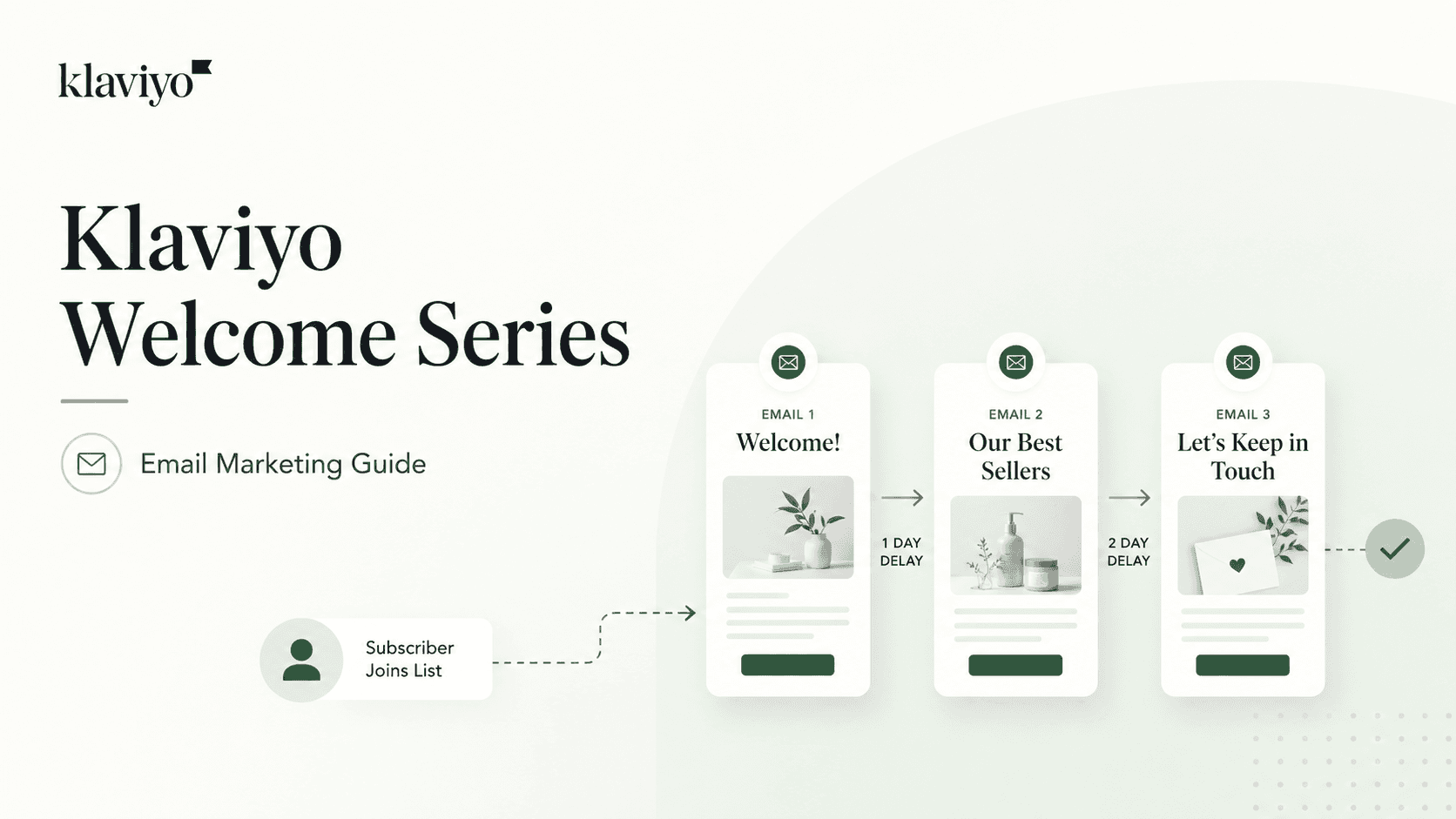
Now that you know your goals and who you're talking to, it's time to map out the actual path you want your new subscribers to take. This is your welcome series flow. It's not just a list of emails; it's a planned sequence designed to guide them from being a brand new subscriber to becoming an engaged customer.
Think about the first impression. What's the very first thing they should see? Then, what's the next logical step? You want to build momentum without overwhelming them. A common mistake is sending too many emails too quickly, which can just annoy people. Spacing things out is usually better.
Here's a basic structure to consider:
Immediate Welcome: A quick hello and confirmation of their subscription, maybe with a small thank you.
Value/Education: Share something useful that introduces them to your brand or products.
Social Proof/Trust: Show them why others love you (reviews, testimonials).
The Offer: Present your main incentive or product recommendation.
Next Steps/Engagement: Encourage further interaction or guide them to specific parts of your site.
Planning this journey helps you create a cohesive experience. It ensures each email has a purpose and leads logically to the next, making it easier for subscribers to move through your funnel. This structured approach is key to crafting effective email welcome series that engage and convert new subscribers.
Crafting High-Converting Emails For Your Klaviyo Welcome Series
So, you've got people signing up for your list — awesome! Now what? The emails you send right after they join are super important. They set the stage for everything that comes next. Think of it as your first date with a new subscriber; you want to make a good impression, right?
Writing Compelling Subject Lines
Your subject line is like the headline of a newspaper article. It's the first thing people see, and it decides if they'll even bother opening your email. If it's boring or confusing, they'll just scroll past. A good subject line is clear, concise, and makes people curious. For welcome emails, keeping it short is usually best, maybe under 50 characters. Using the subscriber's name can help, like "Welcome, [First Name]! Here's what's next." Just try to avoid those spammy words or too many exclamation points — they can land you in the junk folder.
Here are a few ideas:
Welcome to the Club! Your First Look Inside
You're In! Let's Get Started, [First Name]
Thanks for Joining Us! Here's Your Welcome Gift
The subject line is your email's first impression. Make it count by being direct and setting clear expectations for what's inside.
Developing Your Brand Voice and Tone
How you sound in these first emails really shapes how people see your brand. If your social media is super friendly and casual, your emails should be too. If your website is more formal, keep that same vibe. It's about talking to one person, not shouting at a crowd. Use contractions, mix up your sentence lengths, and let your brand's personality shine through. Consistency is key here; people should feel like they're interacting with the same brand across all platforms. This helps build trust and makes your brand feel more relatable.
Creating Strong Calls to Action
Every email needs to tell people what to do next. This is your Call to Action, or CTA. You want it to be obvious and easy to follow. Instead of a generic "Click Here," try something more active like "Start Your Free Trial" or "Shop the New Collection." Make that main button or link stand out visually. It's generally better to focus on one main action per email. Too many options can confuse people and make them do nothing at all. Think about what you want them to achieve with that specific email and guide them there clearly. This is a big part of getting people to engage with your email marketing best practices.
Make your primary CTA visually distinct.
Use action-oriented language.
Limit to one main CTA per email.
Structuring Your Klaviyo Welcome Series: Email By Email
Alright, so you've got your goals set and your audience figured out. Now comes the fun part: actually building out those emails. Think of your welcome series not as a single blast, but as a mini-journey you're taking your new subscribers on. It's about guiding them, showing them what you're about, and making them feel welcome, all without being pushy.
The Initial Welcome Email
This is your first handshake, so make it count. It should arrive immediately after someone signs up. Seriously, don't wait. This email needs to confirm their subscription, thank them for joining, and set expectations for what's next. It's also a prime spot to offer a little something, like a discount code or free shipping, to encourage that first purchase. Keep it short, sweet, and on-brand. You want them to feel good about signing up.
Immediate Delivery: Send it the second they subscribe.
Clear Thank You: Express genuine appreciation.
Set Expectations: What kind of emails will they get?
First Incentive: A small offer to kick things off.
This first email is your golden ticket to making a great first impression. It's not just about saying hello; it's about showing them why they made the right choice by joining your list.
Educational And Value-Driven Content
After the initial welcome, don't just bombard them with sales pitches. Use the next few emails to show them you're more than just a store. Share helpful tips related to your products, tell your brand's story, or introduce them to your bestsellers with a bit of context. This builds trust and positions you as an authority. For example, if you sell skincare, share a routine guide. If you sell coffee, talk about brewing methods. This kind of content helps build a relationship with your new subscribers.
The Offer And Incentive Email
By now, you've built some rapport. This is where you can get a bit more direct with your offer. Remind them of any initial discount they received, or present a new, compelling reason to buy. This could be a limited-time deal, a bundle offer, or highlighting a specific product that aligns with their interests. Make the call to action super clear. What do you want them to do? Buy now? Browse a collection? Make it obvious.
Engagement And Next Steps
Your welcome series doesn't have to end with a sale. The final emails can focus on encouraging further engagement. Ask them to follow you on social media, invite them to join a community group, or prompt them to leave a review if they've already purchased. You can also use this stage to ask for feedback or preferences to help segment them further for future campaigns. It's all about keeping the conversation going and turning a new subscriber into a long-term fan. This is a great way to enhance sales and retention.
Advanced Strategies For Your Klaviyo Welcome Series
Personalization Beyond First Names
Okay, so you've got the basics down. Your welcome emails are going out, and they're not just saying "Hi [First Name]" anymore. That's good. But we can go deeper. Think about what else you know about someone the moment they sign up. Did they come from a specific ad campaign? Did they download a particular guide? Use that info. If someone signed up after reading a blog post about "budget travel tips," your welcome email should probably talk about budget travel, not just your brand in general. It makes them feel like you actually get them, you know?
Signup Source: Tailor content based on where they joined (e.g., website pop-up, social media link, specific landing page).
Interest Shown: If they clicked on certain products or categories before signing up, reference those.
Behavioral Data: Did they abandon a cart? Did they view a specific page multiple times? Use this to inform your messaging.
The goal here is to make each new subscriber feel like they're getting a message crafted just for them, even if it's automated.
Leveraging Social Proof
People trust other people. It's just how we're wired. So, when you're welcoming new folks, don't just talk about how great your product or service is. Show them that other people think it's great too. This could be anything from customer testimonials to user-generated content. Think about including a short, impactful quote from a happy customer in one of your welcome emails. Or maybe a link to a page with reviews. It adds a layer of trust that your own words just can't match. It's like getting a recommendation from a friend, but on a larger scale.
Showing real stories from real customers builds a bridge of trust faster than any marketing claim. It's the digital equivalent of a trusted friend giving a thumbs-up.
Implementing Segmentation
This is where things get really interesting. Instead of sending the exact same welcome series to everyone, you can split your new subscribers into smaller groups based on what you know about them. For example, if you sell both men's and women's clothing, you'd want to send different emails to someone who signed up via a men's collection page versus a women's collection page. This kind of targeted approach, using Klaviyo segmentation strategies, means your messages are way more relevant. It's not just about sending emails; it's about sending the right emails to the right people at the right time. This makes your welcome series much more effective at driving sales and building loyalty.
Optimizing Your Klaviyo Welcome Series For Maximum Impact
Getting the most out of your Klaviyo welcome series isn't just about setting it up and hoping for the best. You need to check in, experiment, and keep tweaking things, or you'll end up missing tons of new subscribers who might never open your emails again. Here's how you can really squeeze more value from your series.
Strategic Timing And Cadence
When you send your welcome emails shapes the entire subscriber experience. If someone signs up and doesn't get your first email right away, they're likely to forget you—or worse, ignore future messages. Time matters. Aim to:
Send the first email immediately after signup.
Space the next emails 1-3 days apart—test what feels right for your list size and content.
Experiment with how many emails you send in your series. Some brands get results with four, others prefer stretching to six.
Welcome Series Example | Number of Emails | Length (Days) |
|---|---|---|
Fast-Paced Retail | 4 | 5 |
Educational SaaS | 6 | 10 |
Discount/Promo Focused | 5 | 7 |
Give people room to breathe between emails, but not enough time to lose interest. A little patience here can boost your engagement rates.
A/B Testing Key Elements
If you're not sure what's working, try a simple A/B test. You can start by testing the subject line—sometimes even a small change there can make a huge difference. Once you know your best opener, try:
Running subject line tests (short vs. long, emoji vs. plain)
Swapping different calls-to-action
Trying out two versions of a product photo or headline
Testing different send times—morning, afternoon, or evening
Don't change everything at once. Focus on one thing at a time, watch your open/click rates for at least a week, and keep what works. Save the minor tweaks for later, after you've found your winners. Check out basics for Klaviyo email flows if you want to set up A/B tests properly.
Regular Review And Updates
Subscriber behavior changes—sometimes quickly. Set time each month to review your full series.
Look at open, click, and unsubscribe rates.
Check for broken links or outdated offers.
Remove anything that feels stale or doesn't get results.
Here's a quick maintenance checklist:
Make sure product and company info is current.
Check your incentives or offers—do they still make sense?
Scan for design issues, especially for mobile readers.
"Don't assume what worked last year will keep working. Tastes shift, trends change—your welcome emails should too."
Testing, timing, and regular updates can turn your welcome series from just another email into one of your best tools for making new subscribers feel right at home.
Future-Proofing Your Klaviyo Welcome Series
So, you've built a solid welcome series. That's great! But the digital world moves fast, and what works today might be old news tomorrow. To keep your welcome series performing at its best, you need to think ahead. This means looking at new tech and making sure your emails are ready for whatever comes next. The goal is to build a system that adapts and stays effective.
Embracing AI For Personalization
Artificial intelligence is no longer just a buzzword; it's becoming a practical tool for email marketers. AI can analyze subscriber data way faster and more deeply than we ever could. Think about using it to predict what a new subscriber might be interested in based on their signup source or initial interactions. This allows for a level of personalization that goes way beyond just using their first name. Klaviyo is already integrating AI features that can help suggest content or optimize send times, making your welcome series feel more relevant to each individual from the get-go.
Integrating Interactive Elements
People are spending more time on their phones, and they want emails that are engaging, not just walls of text. Think about adding elements that encourage interaction. This could be simple polls asking about preferences, quizzes to help them discover products, or even countdown timers for limited-time offers. These elements not only make the email more fun to open but also give you more data about your subscribers' interests. It's a win-win: they get a more interesting experience, and you get insights to improve future emails. You can explore how to build a truly effective onboarding flow with this e-commerce welcome email series guide.
Prioritizing Mobile Optimization
This one's a biggie. Most people check their email on their phones these days. If your welcome emails look clunky or are hard to read on a small screen, you're losing people before you even get a chance to connect. This means designing with mobile-first in mind. Keep your layouts clean, your text readable, and your buttons easy to tap. Test your emails on different devices to make sure they look good everywhere. It's not just about making things look pretty; it's about making sure your message gets across clearly and easily, no matter how your subscriber is viewing it. Staying ahead of email marketing trends for 2026 means making sure your mobile experience is top-notch.
The future of welcome series isn't about sending more emails, but smarter ones. It's about using technology to understand your audience better and deliver content that feels personal and helpful, right from the first click.
Here's a quick look at what to focus on:
AI-Powered Personalization: Use AI to tailor content and offers based on individual behavior.
Interactive Content: Incorporate polls, quizzes, or surveys to boost engagement and gather data.
Mobile-First Design: Ensure all emails are perfectly displayed and functional on smartphones.
Data Analysis: Continuously review engagement metrics to identify areas for improvement.
Adaptability: Be ready to adjust your strategy as new technologies and customer expectations emerge.
Wrapping It Up
So, we've gone through how to build a welcome series that actually works. It's not just about sending a few emails; it's about making a good first impression and guiding people into becoming customers. Remember to test things out, especially big changes first, and don't forget to check back on your series regularly because things change. Keep an eye on how emails are read on phones, and maybe even think about adding short videos. Building a great welcome series takes effort, but it's worth it. If it all feels like too much, there are people who can help make sure your first emails are doing their job right, turning those new sign-ups into people who stick around.
Frequently Asked Questions
What exactly is a welcome series?
Think of a welcome series as a set of automated emails that automatically go out to new people who sign up for your email list. Instead of just one welcome message, it's a series that helps introduce your brand step-by-step, show off what makes you special, and guide them towards becoming a customer.
Why is a welcome series so important?
It's your first big chance to make a great impression! New subscribers are super interested right when they sign up. A good welcome series helps you keep that interest, teach them about your stuff, and often leads to more sales compared to regular emails.
How many emails should be in a welcome series?
Most experts suggest aiming for about 4 to 6 emails. You want to send enough messages to build a connection without annoying people. Spreading them out over one to two weeks usually works well.
When should I send the first welcome email?
Right away! As soon as someone signs up, send that first email. Waiting even a day can make a big difference in how many people open and read it.
How can I make my welcome emails stand out?
Use a friendly, personal tone — like you're talking to a friend. Make your subject lines catchy and clear. Also, include strong calls to action, which are like clear instructions telling people what to do next, like 'Shop Now' or 'Learn More'.
Should I offer a discount in my welcome series?
Often, yes! Offering a special deal, like a discount code or free shipping, in one of your welcome emails can be a great way to encourage that first purchase. Just make sure it's easy for them to use the offer.
Master your Klaviyo welcome series with this 2026 guide. Learn to craft high-converting emails, structure your series, and optimize for maximum impact.
So, you want to make sure your new email subscribers actually stick around and, you know, maybe buy something? That's where a solid Klaviyo welcome series comes in. It's basically your digital handshake, but way more effective. We're talking about setting up a chain of emails that greets folks, shows them what you're about, and gently nudges them towards becoming a customer. Forget just sending one welcome email; a series lets you build a relationship. This guide will walk you through how to build a Klaviyo welcome series that actually works, even if you're not a marketing guru.
Key Takeaways
Build your Klaviyo welcome series with clear goals in mind, like making sales or getting people to use your service. Knowing what you want to achieve helps shape every email.
Understand who you're talking to. Segmenting your new subscribers based on how they signed up or what they're interested in lets you send more relevant messages.
Your welcome emails should feel like they're from a real person. Use a consistent brand voice, keep sentences varied, and don't be afraid to show some personality.
Don't just sell, sell, sell. Mix in helpful content that educates your new subscribers about your brand and its benefits before hitting them with an offer.
Always be testing. Try different subject lines, send times, and content to see what works best for your specific audience. Your Klaviyo welcome series should get better over time.
Laying The Foundation For Your Klaviyo Welcome Series
Before you even think about writing that first welcome email, it's super important to get a few things sorted. This isn't just about sending out a few messages; it's about setting up a whole system that works for your business and, more importantly, for the people signing up. Think of it like building a house — you wouldn't start putting up walls without a solid foundation, right? The same goes for your welcome series. Getting this part right means everything else will flow much smoother.
Defining Your Welcome Series Goals
So, what do you actually want your welcome series to achieve? It sounds obvious, but really thinking this through makes a big difference. Are you trying to get people to make their first purchase ASAP? Or is your main goal to educate them about what makes your brand special? Maybe you want them to follow you on social media, or perhaps download a helpful guide.
Here are some common goals:
First Purchase: Encourage immediate sales with a discount or special offer.
Brand Education: Teach subscribers about your story, values, and product benefits.
Community Building: Get them to connect with you on social platforms or join a Facebook group.
Resource Sharing: Provide valuable content like guides, tutorials, or checklists.
Account Activation: For service-based businesses, guide users through setting up their account or using a key feature.
It's really about deciding what success looks like for your business. You can't measure progress if you don't know what you're aiming for. Having clear goals helps you decide what emails to send, what content to include, and how to measure if it's actually working. Insights from nearly 100 Klaviyo account audits show that focusing on high-intent automation, like welcome flows, is key for 2026 email and SMS marketing strategies.
Understanding Your Audience Segments
Who are you talking to? This is a big one. Not everyone who signs up for your list is the same. They might have come from different places, be interested in different things, or have different needs. If you send the exact same emails to everyone, you're probably missing opportunities.
Think about how people join your list. Did they sign up on your website after reading a blog post about a specific product? Did they enter a contest? Or maybe they clicked on a social media ad?
Here's a simple way to think about it:
Source of Sign-up: Where did they come from? (e.g., website pop-up, contest, social media)
Expressed Interest: Did they show interest in a particular product or category before signing up?
Demographics (if known): Age, location, etc., can sometimes be useful.
Understanding these differences allows you to tailor your welcome series. Instead of a one-size-fits-all approach, you can send more relevant messages that speak directly to what each person is looking for. This makes your emails feel more personal and less like generic marketing.
Mapping Your Subscriber Journey
Now that you know your goals and who you're talking to, it's time to map out the actual path you want your new subscribers to take. This is your welcome series flow. It's not just a list of emails; it's a planned sequence designed to guide them from being a brand new subscriber to becoming an engaged customer.
Think about the first impression. What's the very first thing they should see? Then, what's the next logical step? You want to build momentum without overwhelming them. A common mistake is sending too many emails too quickly, which can just annoy people. Spacing things out is usually better.
Here's a basic structure to consider:
Immediate Welcome: A quick hello and confirmation of their subscription, maybe with a small thank you.
Value/Education: Share something useful that introduces them to your brand or products.
Social Proof/Trust: Show them why others love you (reviews, testimonials).
The Offer: Present your main incentive or product recommendation.
Next Steps/Engagement: Encourage further interaction or guide them to specific parts of your site.
Planning this journey helps you create a cohesive experience. It ensures each email has a purpose and leads logically to the next, making it easier for subscribers to move through your funnel. This structured approach is key to crafting effective email welcome series that engage and convert new subscribers.
Crafting High-Converting Emails For Your Klaviyo Welcome Series
So, you've got people signing up for your list — awesome! Now what? The emails you send right after they join are super important. They set the stage for everything that comes next. Think of it as your first date with a new subscriber; you want to make a good impression, right?
Writing Compelling Subject Lines
Your subject line is like the headline of a newspaper article. It's the first thing people see, and it decides if they'll even bother opening your email. If it's boring or confusing, they'll just scroll past. A good subject line is clear, concise, and makes people curious. For welcome emails, keeping it short is usually best, maybe under 50 characters. Using the subscriber's name can help, like "Welcome, [First Name]! Here's what's next." Just try to avoid those spammy words or too many exclamation points — they can land you in the junk folder.
Here are a few ideas:
Welcome to the Club! Your First Look Inside
You're In! Let's Get Started, [First Name]
Thanks for Joining Us! Here's Your Welcome Gift
The subject line is your email's first impression. Make it count by being direct and setting clear expectations for what's inside.
Developing Your Brand Voice and Tone
How you sound in these first emails really shapes how people see your brand. If your social media is super friendly and casual, your emails should be too. If your website is more formal, keep that same vibe. It's about talking to one person, not shouting at a crowd. Use contractions, mix up your sentence lengths, and let your brand's personality shine through. Consistency is key here; people should feel like they're interacting with the same brand across all platforms. This helps build trust and makes your brand feel more relatable.
Creating Strong Calls to Action
Every email needs to tell people what to do next. This is your Call to Action, or CTA. You want it to be obvious and easy to follow. Instead of a generic "Click Here," try something more active like "Start Your Free Trial" or "Shop the New Collection." Make that main button or link stand out visually. It's generally better to focus on one main action per email. Too many options can confuse people and make them do nothing at all. Think about what you want them to achieve with that specific email and guide them there clearly. This is a big part of getting people to engage with your email marketing best practices.
Make your primary CTA visually distinct.
Use action-oriented language.
Limit to one main CTA per email.
Structuring Your Klaviyo Welcome Series: Email By Email
Alright, so you've got your goals set and your audience figured out. Now comes the fun part: actually building out those emails. Think of your welcome series not as a single blast, but as a mini-journey you're taking your new subscribers on. It's about guiding them, showing them what you're about, and making them feel welcome, all without being pushy.
The Initial Welcome Email
This is your first handshake, so make it count. It should arrive immediately after someone signs up. Seriously, don't wait. This email needs to confirm their subscription, thank them for joining, and set expectations for what's next. It's also a prime spot to offer a little something, like a discount code or free shipping, to encourage that first purchase. Keep it short, sweet, and on-brand. You want them to feel good about signing up.
Immediate Delivery: Send it the second they subscribe.
Clear Thank You: Express genuine appreciation.
Set Expectations: What kind of emails will they get?
First Incentive: A small offer to kick things off.
This first email is your golden ticket to making a great first impression. It's not just about saying hello; it's about showing them why they made the right choice by joining your list.
Educational And Value-Driven Content
After the initial welcome, don't just bombard them with sales pitches. Use the next few emails to show them you're more than just a store. Share helpful tips related to your products, tell your brand's story, or introduce them to your bestsellers with a bit of context. This builds trust and positions you as an authority. For example, if you sell skincare, share a routine guide. If you sell coffee, talk about brewing methods. This kind of content helps build a relationship with your new subscribers.
The Offer And Incentive Email
By now, you've built some rapport. This is where you can get a bit more direct with your offer. Remind them of any initial discount they received, or present a new, compelling reason to buy. This could be a limited-time deal, a bundle offer, or highlighting a specific product that aligns with their interests. Make the call to action super clear. What do you want them to do? Buy now? Browse a collection? Make it obvious.
Engagement And Next Steps
Your welcome series doesn't have to end with a sale. The final emails can focus on encouraging further engagement. Ask them to follow you on social media, invite them to join a community group, or prompt them to leave a review if they've already purchased. You can also use this stage to ask for feedback or preferences to help segment them further for future campaigns. It's all about keeping the conversation going and turning a new subscriber into a long-term fan. This is a great way to enhance sales and retention.
Advanced Strategies For Your Klaviyo Welcome Series
Personalization Beyond First Names
Okay, so you've got the basics down. Your welcome emails are going out, and they're not just saying "Hi [First Name]" anymore. That's good. But we can go deeper. Think about what else you know about someone the moment they sign up. Did they come from a specific ad campaign? Did they download a particular guide? Use that info. If someone signed up after reading a blog post about "budget travel tips," your welcome email should probably talk about budget travel, not just your brand in general. It makes them feel like you actually get them, you know?
Signup Source: Tailor content based on where they joined (e.g., website pop-up, social media link, specific landing page).
Interest Shown: If they clicked on certain products or categories before signing up, reference those.
Behavioral Data: Did they abandon a cart? Did they view a specific page multiple times? Use this to inform your messaging.
The goal here is to make each new subscriber feel like they're getting a message crafted just for them, even if it's automated.
Leveraging Social Proof
People trust other people. It's just how we're wired. So, when you're welcoming new folks, don't just talk about how great your product or service is. Show them that other people think it's great too. This could be anything from customer testimonials to user-generated content. Think about including a short, impactful quote from a happy customer in one of your welcome emails. Or maybe a link to a page with reviews. It adds a layer of trust that your own words just can't match. It's like getting a recommendation from a friend, but on a larger scale.
Showing real stories from real customers builds a bridge of trust faster than any marketing claim. It's the digital equivalent of a trusted friend giving a thumbs-up.
Implementing Segmentation
This is where things get really interesting. Instead of sending the exact same welcome series to everyone, you can split your new subscribers into smaller groups based on what you know about them. For example, if you sell both men's and women's clothing, you'd want to send different emails to someone who signed up via a men's collection page versus a women's collection page. This kind of targeted approach, using Klaviyo segmentation strategies, means your messages are way more relevant. It's not just about sending emails; it's about sending the right emails to the right people at the right time. This makes your welcome series much more effective at driving sales and building loyalty.
Optimizing Your Klaviyo Welcome Series For Maximum Impact
Getting the most out of your Klaviyo welcome series isn't just about setting it up and hoping for the best. You need to check in, experiment, and keep tweaking things, or you'll end up missing tons of new subscribers who might never open your emails again. Here's how you can really squeeze more value from your series.
Strategic Timing And Cadence
When you send your welcome emails shapes the entire subscriber experience. If someone signs up and doesn't get your first email right away, they're likely to forget you—or worse, ignore future messages. Time matters. Aim to:
Send the first email immediately after signup.
Space the next emails 1-3 days apart—test what feels right for your list size and content.
Experiment with how many emails you send in your series. Some brands get results with four, others prefer stretching to six.
Welcome Series Example | Number of Emails | Length (Days) |
|---|---|---|
Fast-Paced Retail | 4 | 5 |
Educational SaaS | 6 | 10 |
Discount/Promo Focused | 5 | 7 |
Give people room to breathe between emails, but not enough time to lose interest. A little patience here can boost your engagement rates.
A/B Testing Key Elements
If you're not sure what's working, try a simple A/B test. You can start by testing the subject line—sometimes even a small change there can make a huge difference. Once you know your best opener, try:
Running subject line tests (short vs. long, emoji vs. plain)
Swapping different calls-to-action
Trying out two versions of a product photo or headline
Testing different send times—morning, afternoon, or evening
Don't change everything at once. Focus on one thing at a time, watch your open/click rates for at least a week, and keep what works. Save the minor tweaks for later, after you've found your winners. Check out basics for Klaviyo email flows if you want to set up A/B tests properly.
Regular Review And Updates
Subscriber behavior changes—sometimes quickly. Set time each month to review your full series.
Look at open, click, and unsubscribe rates.
Check for broken links or outdated offers.
Remove anything that feels stale or doesn't get results.
Here's a quick maintenance checklist:
Make sure product and company info is current.
Check your incentives or offers—do they still make sense?
Scan for design issues, especially for mobile readers.
"Don't assume what worked last year will keep working. Tastes shift, trends change—your welcome emails should too."
Testing, timing, and regular updates can turn your welcome series from just another email into one of your best tools for making new subscribers feel right at home.
Future-Proofing Your Klaviyo Welcome Series
So, you've built a solid welcome series. That's great! But the digital world moves fast, and what works today might be old news tomorrow. To keep your welcome series performing at its best, you need to think ahead. This means looking at new tech and making sure your emails are ready for whatever comes next. The goal is to build a system that adapts and stays effective.
Embracing AI For Personalization
Artificial intelligence is no longer just a buzzword; it's becoming a practical tool for email marketers. AI can analyze subscriber data way faster and more deeply than we ever could. Think about using it to predict what a new subscriber might be interested in based on their signup source or initial interactions. This allows for a level of personalization that goes way beyond just using their first name. Klaviyo is already integrating AI features that can help suggest content or optimize send times, making your welcome series feel more relevant to each individual from the get-go.
Integrating Interactive Elements
People are spending more time on their phones, and they want emails that are engaging, not just walls of text. Think about adding elements that encourage interaction. This could be simple polls asking about preferences, quizzes to help them discover products, or even countdown timers for limited-time offers. These elements not only make the email more fun to open but also give you more data about your subscribers' interests. It's a win-win: they get a more interesting experience, and you get insights to improve future emails. You can explore how to build a truly effective onboarding flow with this e-commerce welcome email series guide.
Prioritizing Mobile Optimization
This one's a biggie. Most people check their email on their phones these days. If your welcome emails look clunky or are hard to read on a small screen, you're losing people before you even get a chance to connect. This means designing with mobile-first in mind. Keep your layouts clean, your text readable, and your buttons easy to tap. Test your emails on different devices to make sure they look good everywhere. It's not just about making things look pretty; it's about making sure your message gets across clearly and easily, no matter how your subscriber is viewing it. Staying ahead of email marketing trends for 2026 means making sure your mobile experience is top-notch.
The future of welcome series isn't about sending more emails, but smarter ones. It's about using technology to understand your audience better and deliver content that feels personal and helpful, right from the first click.
Here's a quick look at what to focus on:
AI-Powered Personalization: Use AI to tailor content and offers based on individual behavior.
Interactive Content: Incorporate polls, quizzes, or surveys to boost engagement and gather data.
Mobile-First Design: Ensure all emails are perfectly displayed and functional on smartphones.
Data Analysis: Continuously review engagement metrics to identify areas for improvement.
Adaptability: Be ready to adjust your strategy as new technologies and customer expectations emerge.
Wrapping It Up
So, we've gone through how to build a welcome series that actually works. It's not just about sending a few emails; it's about making a good first impression and guiding people into becoming customers. Remember to test things out, especially big changes first, and don't forget to check back on your series regularly because things change. Keep an eye on how emails are read on phones, and maybe even think about adding short videos. Building a great welcome series takes effort, but it's worth it. If it all feels like too much, there are people who can help make sure your first emails are doing their job right, turning those new sign-ups into people who stick around.
Frequently Asked Questions
What exactly is a welcome series?
Think of a welcome series as a set of automated emails that automatically go out to new people who sign up for your email list. Instead of just one welcome message, it's a series that helps introduce your brand step-by-step, show off what makes you special, and guide them towards becoming a customer.
Why is a welcome series so important?
It's your first big chance to make a great impression! New subscribers are super interested right when they sign up. A good welcome series helps you keep that interest, teach them about your stuff, and often leads to more sales compared to regular emails.
How many emails should be in a welcome series?
Most experts suggest aiming for about 4 to 6 emails. You want to send enough messages to build a connection without annoying people. Spreading them out over one to two weeks usually works well.
When should I send the first welcome email?
Right away! As soon as someone signs up, send that first email. Waiting even a day can make a big difference in how many people open and read it.
How can I make my welcome emails stand out?
Use a friendly, personal tone — like you're talking to a friend. Make your subject lines catchy and clear. Also, include strong calls to action, which are like clear instructions telling people what to do next, like 'Shop Now' or 'Learn More'.
Should I offer a discount in my welcome series?
Often, yes! Offering a special deal, like a discount code or free shipping, in one of your welcome emails can be a great way to encourage that first purchase. Just make sure it's easy for them to use the offer.
Other Blogs
Other Blogs
Check our other project Blogs with useful insight and information for your businesses

Other Blogs
Other Blogs
Check our other project Blogs with useful insight and information for your businesses